
Is This the Future for Canada's Food Banks?
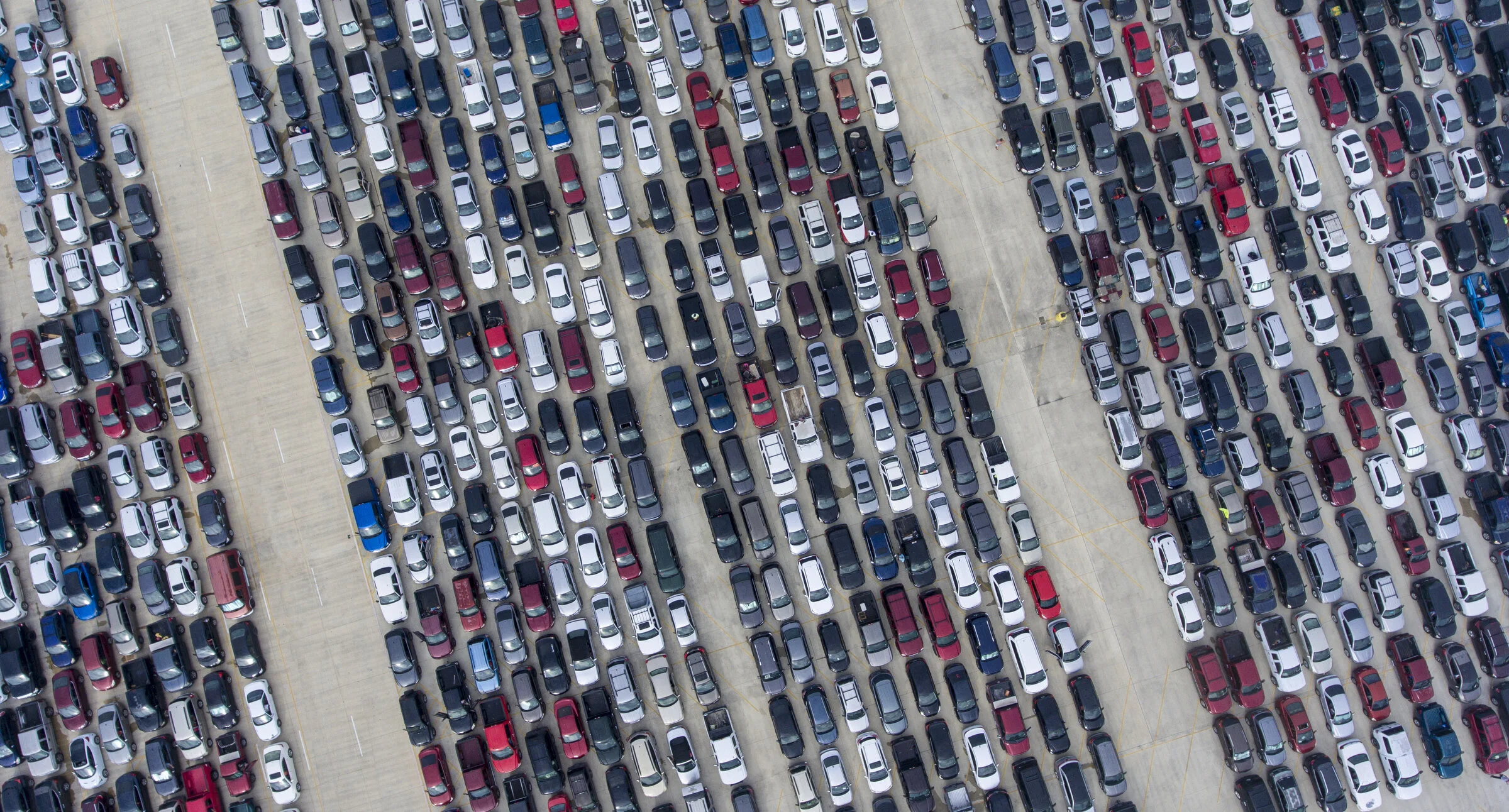
If you’ve been watching the huge lineups outside of foodbanks on American media coverage and wondering what all this means for Canada, you’re not alone. The images are staggering, unlike anything we have seen before. Will they happen in Canada? Will the country’s food bank network collapse under the load, adding even more pressure on communities during this public health emergency?
Surprisingly, there are some food banks and feeding agencies in Canada that have actually been experiencing a decrease in visits. In our city for example, the London Food Bank has seen its numbers plateau, even decline marginally, during this Covid-19 period. Other agencies in the city report a similar phenomenon. How can that be?
The answers are complex – fear of being in public, avoidance of public transport, reticence to sit in large waiting rooms full of clients – but in interviews with some it has become clear that government stimulus cheques have provided vulnerable citizens with something of a breathing space in attending food banks. Nevertheless, there has been a rise in the number of first-time visits to the London Food Bank, reflected in other agencies throughout Ontario. That is troubling, since it reveals just how vulnerable many were before Covid-19 descended on our society.
The fundamental distinction between Canada and our neighbour to the south has been the safety net that provides supports at various levels for Canadians falling on hard times. The gaps in that net aren’t minimal, but taken together, these programs successfully round off some of the rough edges of modern life – especially in cities. In some cases, it spells the difference between starvation and sustenance and food banks have become part of that story.
How are Canadian food banks faring in this pandemic? To a degree, it depends where they are situated across the country. About one-third of such organizations have closed across Canada, partly through lack of supplies but more likely because some were located in places like churches forced to close for obvious reasons.
In Newfoundland, demand is up because of the number of layoffs that were occurring even prior to the pandemic. Such complications make food banking more than merely being about nutrition. Some had used up the final cheques and were facing panic and insecurity. The food they receive is appreciated, but for most clients it’s about keeping their home or apartment. Tough choices are ahead.
For a Salvation Army food bank in Charlottetown, PEI, the fact that 75% of the demand is from new clients represents a troubling portent, pointing to cracks in the safety net harming vulnerable families in more ways than just food. Like the London situation, numbers dipped at the beginning of the pandemic as people grew fearful of heading outside. That has changed, as new visitors begin pushing the numbers up once more.
In a troubling development that has been part of Canadian history for generations, indigenous communities across the country are hit harder than most communities, leaving numerous Friendship Centres across Canada being forced to close due to the crisis. While the federal government gave $15 million to indigenous populations back in March, the reality is that such stimulus barely scratched the surface of indigenous challenges – hunger being paramount. The severity of the situation has caused the London Food Bank to establish better partnership with indigenous families both inside and outside of the city to both ascertain and meet the need.
This is the life of food banking in our present era. Organizations that were once deemed temporary have now become essential at getting nutritious food to vulnerable populations. Talks of their brief presence are now gone, replaced with an increase pressure on food banks to provide for ever-increasing marginalized people and families.
This shouldn’t be a surprise, since the nation’s food banks have been playing fundamental roles for the last three decades with no sign of their decline – a reality that prompted one food bank worker in Thunder Bay, Ontario to note that “normal was already a crisis.” And there is no sign that the “new” normal will be any different unless we learn the lessons of what life was like prior to the pandemic, when millions of Canadians had fallen into poverty, with no sign of real change for the future.
So, yes, Canada has been saved from the long food bank lines in America because of our social programs, but the reality of hunger remains and if not dealt with, will result in Canadian food banks seeking out larger warehouses with more expansive parking lots.