
The Collective "Me"
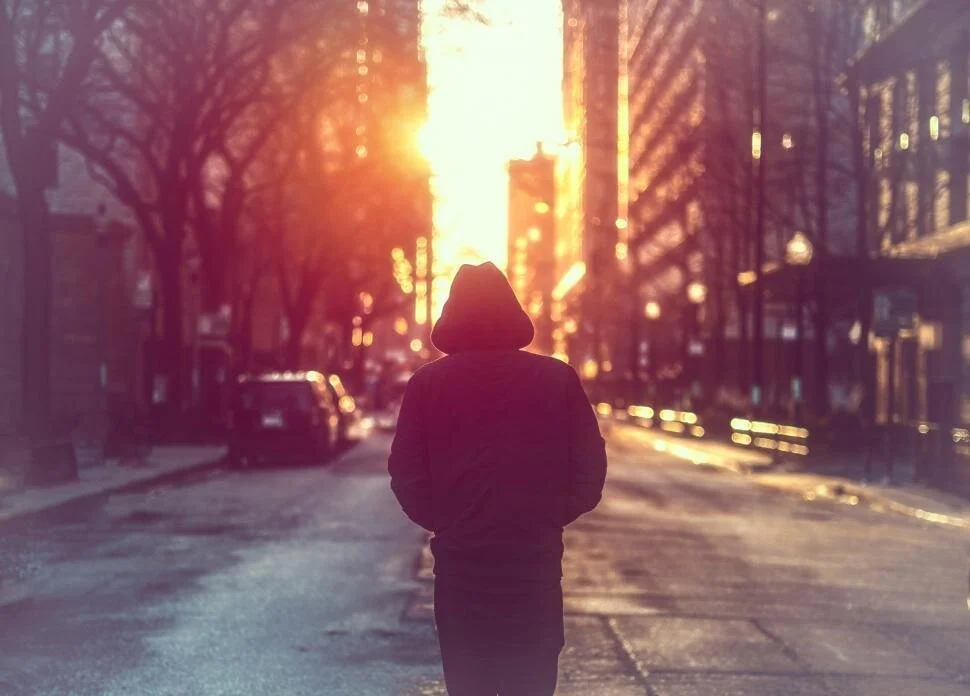
I took an early Sunday morning walk today, enjoying clear sidewalks, deserted streets, the warming sun and the awesomeness of silence. Walking through Old South, though, I realized I missed the people – my neighbours, the warmth of the coffee shops, friendliness at the local hardware store, and the sense the Spring was upon us and the Great Emerging was about to unfold.
Except that it might not unfold that way this year. A pandemic has driven us indoors, away from one another into the supposed safety of our private worlds. It has given us the peace and quietness we frequently crave in busy lives, but it seems artificial, almost unhuman. I walked past my church and realized how I miss the “collective me” – that part of my world where I am completed by others I cherish.
Soon thewarming rays will lift a little higher and life will start emerging from the doorways. But it won’t be same. People normally drawn together will avoid each other by six feet or so because we care about our community and seek to keep it healthy and safe. It’s a tremendously difficult thing to do – a life without hugs, handshakes and human intimacy is hardly life at all, is it?
I arrive back home to news that people are starting to push back against this kind of forced isolation. They are living for the now and they are easy to judge for their impatience. Yet many of them are running out of money, miss their sports teams and, of course, their regular rounds of shopping and dining out. Nevertheless, we get a sense that this could turn ugly should it endure much longer. The only thing about the future that they have considered has been their fear of succumbing to the coronavirus. Dread isn’t much of a future, though. It’s better than dying, but it’s hardly living. And over time we lose sight of what it’s all about and begin pushing back against our enforced exile.
Rousseau began his Social Contract in 1762 with the lasting observation, “Man is born free and everywhere he is in chains.” That’s kind of how we feel right now. We might be wrong in that interpretation, however. Rousseau’s premise was that laws are binding only when they are supported by the general will of the people. But then again, he lived in revolutionary times, when an elite class of power brokers spoke easily of liberty but had no intention of tolerating it.
The longer this pandemic goes on, the more this idea of “chains” will push us towards what we believe is more freedom. It will be inevitable. In some countries the transforming anger has already begun, as legislatures are challenged inside and out by irate crowds demanding their lives and productive capacity back. It makes eminent sense, specifically because we are human and believe that our democracies are about our freedoms and right of personal choice.
And it’s at that moment where we begin to lose our way, to relax our hegemony and insist on the personal path. Imagine if North American or European societies had adopted that temperament in 1939, as Hitler began his massive campaign to obliterate freedom in the name of fascism. What if our parents and grandparents declared, “It’s not my fight and I won’t take any part in sacrificing for peace?” We know the answer.
What if we all began declaring that we are fed up with blue boxing, of carbon taxes and laws of sustainability, because we just want to be free to run our own lives? And if we turned our collective backs on indigenous reconciliation or effective gender or racial equality, what then? Our governments would need to step in and remind us that collectively we can survive a threatening future that will certainly overpower us should we stick to our individual defiance.
We are a human family and we will rise or fall depending on our acknowledgement and protection of that fact. Should we usher in a time of opening up our society and in the process open up the avenues and deathly consequences of the pandemic, we will have failed the historic litmus test of survival and civilization, leaving our kids in a harsher and more fragile world.
So, here’s to my neighbours and loved ones. Here’s to my community that values each of us in a way that seeks to preserve us. Here’s to the politicians who put their differences aside in the one great quest to protect the common good. Here’s to the healthcare workers, risking their own personal safety for the security of all of us.
I arrived back home following my walk in the awareness that my solitude has morphed into loneliness – and an appreciation of all those who, like me, are enduring that separation in order that we might cling to our collective life and the belief that when the doors and windows are finally opened that our sacrifice was worth it just for the joy of coming together. We are a community and we won’t risk its future by forcing the present. To all those in my city, thank you for the sacrifice you are now paying so that our treasured community and its descendants will have the opportunity to endure and progress. We will endure.