
Glen Pearson has concentrated his life in pursuit of public service, democracy, and the primacy of citizenship. Over decades of work in politics, humanitarian service, community leadership, and writing, he has come to understand something that modern society often forgets: a healthy democracy is not primarily built in legislatures, media studios, corporate towers, or in algorithms. It is built in the quiet habits of citizenship. It is built whenever people choose responsibility over cynicism, contribution over withdrawal, and neighbourliness over isolation.
Through more than seventy books, articles, podcasts, and his long-standing column in the London Free Press, Glen has chronicled not merely political events, but the deeper moral and social currents moving beneath them. His work consistently returns to the same central question: how do human beings remain connected to one another in an age that so often pulls them apart?
He believes the future will not ultimately be saved by ideology or spectacle, but by the patient rebuilding of trust between people who learn once more how to see one another as fellow travellers rather than enemies. Thus the title of this site – Journeys.
In an age searching desperately for meaning, Glen invites us back to the enduring truths that make both lives and nations worth building: service, decency, sacrifice, community, and love. Welcome to Journeys.
About Glen
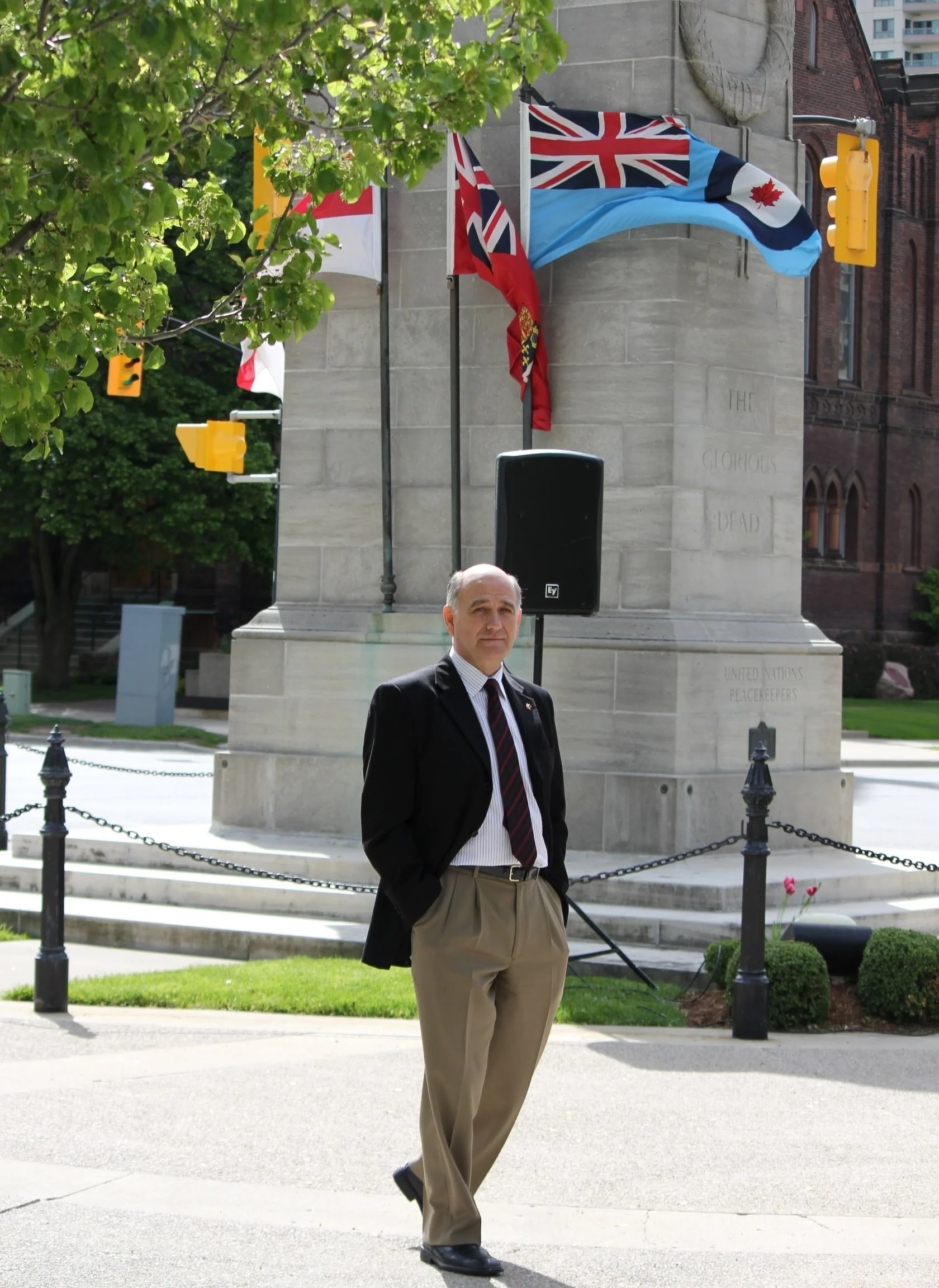
Glen is currently a Co-director of the London Food Bank, a position he has held for over 40 years. For the past 25 years he has volunteered as the ED of a relief and development NGO focused on South Sudan. He’s also a retired professional firefighter and a former Member of Parliament.
Glen was presented with an Honourary Doctorate from Western University in 2014 and an Honourary Diploma from Fanshawe College the following year for his lifetime of public service.
Glen has written over 70 books and writes regularly for the London Free Press. Glen lives in London, Ontario with his wife, Jane Roy, and his three adopted children from South Sudan - Abuk, Achan and Ater.
“The hardest thing about writing is not finding the words, it is finding the courage to tell the truth once the words arrive.” Glen Pearson
Use the social media links to contact Glen OR email him at pearsg9@gmail.com