
The Summoned Life
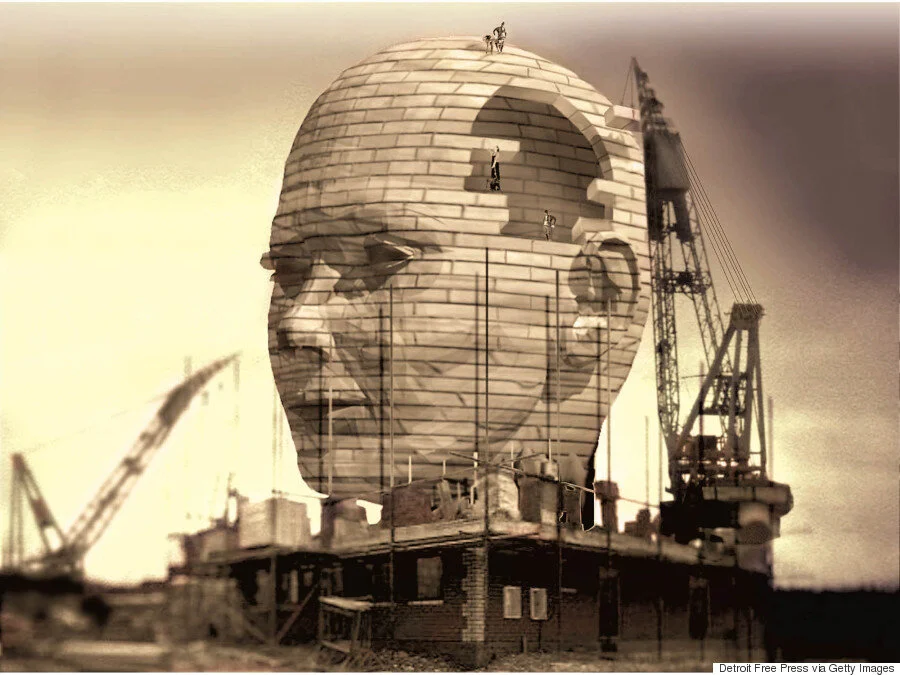
And what is character? An old Chinese proverb states that, “you can’t carve rotten wood.” There must be something “there” to shape. Perhaps that is as good a definition as any. Knowledge without the capacity to utilize it is nothing but bits of data awaiting their release into a broader environment.
Something within us must be called into service once moments of decision confront us – something we can call upon to align our valued priorities rightly so that progress through the decision is possible. Addressing a graduating class at George Washington University recently, author David Brooks used a fascinating phrase as the title of his speech – The Summoned Life. He reminded the graduates that, despite what they were taught in classes, that, “life isn’t a project to be completed; it is an unknowable landscape to be explored.” For that reason he stated that the most important feature for a person who practices the summoned life is the collective commitment that anticipates his or her choices – to family, nation, faith, neighbours, or causes. These commitments, or lack of them, will determine how a person responds in any given situation. Brooks concluded his speech with a clarifying challenge:
“A person living the summoned life always thinks of the most useful social role before them because the individual is small and the context is larger. In a summoned life, life has meaning when the self dissolves into a larger cause or purpose. The person leading the summoned life starts with a very concrete situation: I’m living in a specific year in a specific place facing specific problems and needs. At this moment in my life, I am confronted with specific job opportunities and specific options. The important questions are: What are these circumstances summoning me to do? What is needed in this place? What is the most useful social role before me?”
In a very real and practical sense, this is character. We possess the ability to struggle with ourselves and in the end select the path that benefits society in general and not just our own particular circumstances. It’s not about finding personal success but enduring the tumults of life and growing stronger in the process – sacrificing the outer success for inner triumph.
Character is about this inner confrontation and the lifelong lessons we learn in waging it. It’s not about that one big breakthrough, promotion, or achievement, but, instead, about the thousand small acts of self-control that made the world better, bit by bit, every day. People who possess a character of this sort are capable of long-term commitments. They remain attached to people they meet along the way, and stay committed to the causes that have warmed their heart.
Many of us have episodes of failure in our lives, sometimes lengthy sojourns in falling short, but as life continues we can grow stronger and overcome our personal baggage. We work on building our minds and spirits until they equip us to get outside of ourselves and construct a larger life. Character isn’t the episodic lurching from one quick inspiration to another, but developing inspiration over the long haul. Admittedly this isn’t easy in a world where knowledge, issues, and images confront us at every turn, causing us to commit ourselves for brief periods of time before moving onto the next exciting thing.
This turns conventional wisdom on its head Instead of rushing about in search of stimulus and inspiration, character builds a slowly and increasingly refined unity of purpose – a shift from self-centredness to centredness within a larger context. It is a world where meaning isn’t merely found within ourselves, but in a broader world badly in need of justice, environmental sustainability, and a shrinking gap between rich and poor.
Character is the compass by which everything else in our lives is aligned. A diminished character or inner nature wanders from enticement to enticement, from person to person, job to job, and cause to cause. A developed character has learned to plant deep roots that make it impossible to just pick up and move on at any whim. It’s primary purpose in life is to be steady not shallow, dependable not destructive, noble not narcissistic. As Socrates put it, “We cannot live better than in seeking to become better.”