
Understanding a Refugee’s Life
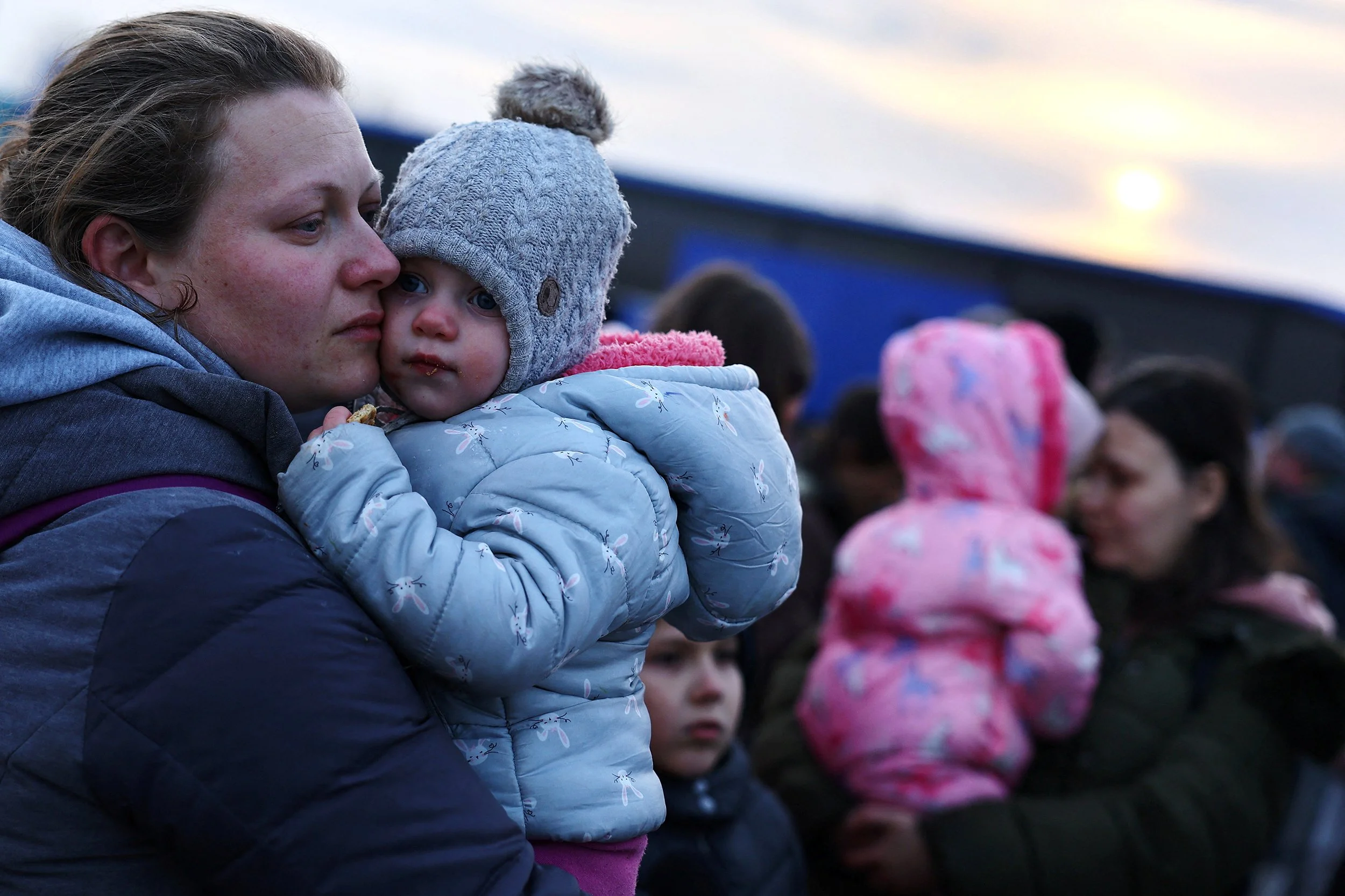
Image credit: NBC News
My wife and I have worked on the refugee situation for over three decades, and it doesn’t seem to be getting any easier. With the Ukrainian conflict now centre-stage, a tremendous outpouring of humanitarian compassion is flooding the globe, promising to accept and help Ukrainian refugees in any way possible. It’s a high watermark of global consciousness.
And yet do we really understand what refugee life is all about? It is so complicated, infuriating, and seemingly impossible to stop that, over time, we lose our compunction to see and understand.
The one thing that becomes immediately obvious to the refugee is that everything is gone. Life as you knew it is no more. You must somehow pack up your entire family and begin life anew in another culture full of strangers. The simplest things are all different – new currencies, sanitation, food, transportation, employment, clothing, even housing.
On a whim, I typed “What happens when your world turns upside down” in a Google search. There were many results, but I’ll just take the first one to compare it with a refugee’s life.
The first of six changes listed was: You realize who’s really there for you. That sounds right, especially in our own lives when we enter times of challenge. But if you’re a refugee, you quickly come to terms with the reality that no one is there for you. Everyone you knew is out of your life. Family, friends, neighbours, co-workers – all have disappeared from your life the moment you made a break for a better way of living, or to even just help your family survive. In that moment when you begin your migration from one country to another, you have left the world you knew behind and are heading to someplace you know precious little about. The truth is that the world often mobilizes in ways to help you – humanitarian donations, United Nations support, fast-tracking of visa forms, etc. – but you see little of that as you cross your country’s borders into the unknown.
Second, you will be disappointed when you realize that some of your friends aren’t there for you. It’s true. You get to see who your friends really are in that moment. But unless your friends are travelling with you on the refugee journey, it doesn’t matter because you don’t have any friends left anyway. You’re on your own, and friendship is a scarce resource.
Third, you are much stronger than you think. Refugees feel no comfort in such an observation since our strengths frequently come from things we already know or have learned. The person fleeing their homeland has no idea what will be required or even know where to get water, food, feminine hygiene products, even a roof over her head. I have learned from hard experience that refugees are likely the toughest people on earth, but they don’t feel that way when they start or arrive in a new land. Strength emerges through trial, and that could take years. Refugees have to live moment to moment, struggling only to survive, not grow or get stronger.
Fourth, you will smile again. This almost sounds other-worldish to refugees. The chances are good that they haven’t smiled for months, years even. Smiling most often comes from the familiar, especially those we love. But the refugees just left all that behind as they and their families enter into a migration to the unknown. They are more fearful than expectant, exasperated than excited, and more desperate than delighted. The refugee life is the most complex life.
Fifth, you don’t always need to have a good day. The refugee hasn’t experienced such a thing in months. Good days most often depend on reasonable circumstances. Little about a refugee’s life is good, and the chance to make one’s life better is virtually impossible. A refugee is the victim of circumstances beyond their control, and there’s little good about that.
Finally, no, not everything will work out. You’re preaching to the converted if you offer such advice to a refugee. Virtually nothing has worked out for them, and they have no assurance it ever will again. They are journeying into a fog of ambiguity and pray only that they survive. They know they will lose much, perhaps more than they will gain. They don’t see themselves heading into a better future but escaping a threatening past. Little works out in such a situation. The refugee can only hope that something, no matter how small, works in their favour.
For those living in the comfort of an affluent culture, there are always things upon which we can depend as we seek to recover from loss.The refugee has no such privilege; they are alone, needed desperately by their family, and sick to death of worrying about journeying into the unknown.But for the sake of their children, their family, their sense of worth and dignity, they will make decisions that would frighten all of us because of the risk.That is true love.That is true sacrifice.That is a genuine refugee.As Nadia Hashimi would put it:“Refugees didn’t just escape a place. They had to escape a thousand memories until they’d put enough time and distance between them and their misery to wake to a better day.”
