
The Faith Impact
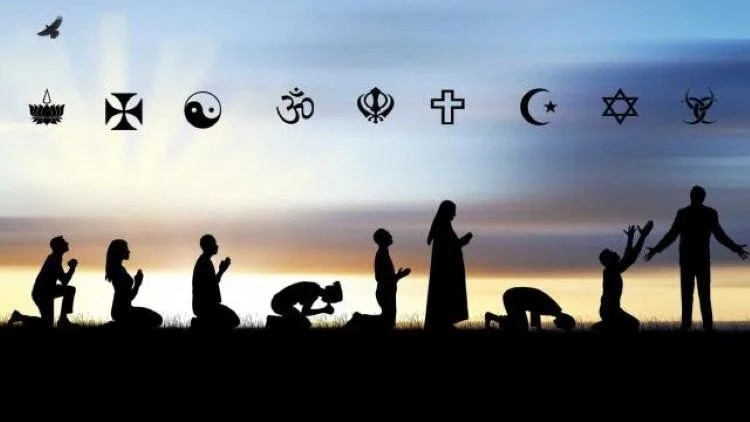
As the pandemic draws to a close in this phase of its effect on the world, one of the significant fallouts of its presence over the last two years has been the decline in church attendance. Countless articles have been published on the subject, and at first blush, the future of religion looks increasingly tremulous.
We need to broaden our view. Research completed just before Covid-19’s arrival revealed some realities that should prompt a massive rethink.
By the beginning of the pandemic, 84% of the global population identified with a religious group. Those in this category are primarily younger and produce more children than those in the prosperous nations of the West.
Christians still form the largest group, with 2.3 billion adherents – a number that makes up 31% of the world’s population. Next come Muslims at 1.8 billion (24%), Hindus at 1.1 billion (15.1%), and Buddhists at 500 million, or 7% of the global population. The remainder is from smaller faiths, making up millions of adherents.
That’s a lot of people – most of the world’s population. Significantly, 1.2 billion people (16% of the world population) say they don’t subscribe to any religious faith.
Some takeaways from this are essential. While religion is on the wane in the West, it is on the rise in every other part of the world. Their adherents are primarily young and will have more children, meaning even more followers on into the future. Think of it another way. The median age of the global population is 28. Two of the main religions have less than that: Hindus (26 years of age) and Muslims (28). The other main religions are older than the median age: Christians (30), Buddhists (34), and Jews (36). Those not religious at all come in at 34.
Those who feel that religion is destined to have little impact on the world need to look at these figures seriously. The World Economic Forum WEF) in Davos, Switzerland, brings the opposite view. Understanding the vital role religion will play in the global future, the WEF has reached out to the foremost faith leaders and sought their assistance in directing the new economies of tomorrow. This would have been unthought of even a decade ago.
The WEF has done its research and learned that billions of religious people worldwide are assisting with programs for the poor, developing a new entrepreneurial class, supporting food banks around the world, and being vital players in refugee resettlement. They will help lead new agriculture movements and seek to take a leadership role in dealing with climate change.
It's easy to underestimate the force of formal religion in the world when one lives in the West and believes religious faith is fading away. There is some truth in this regard, but globally, faith is on the upswing and plays an increasingly important role in shaping the next world order.
