
Tough Time for Writers
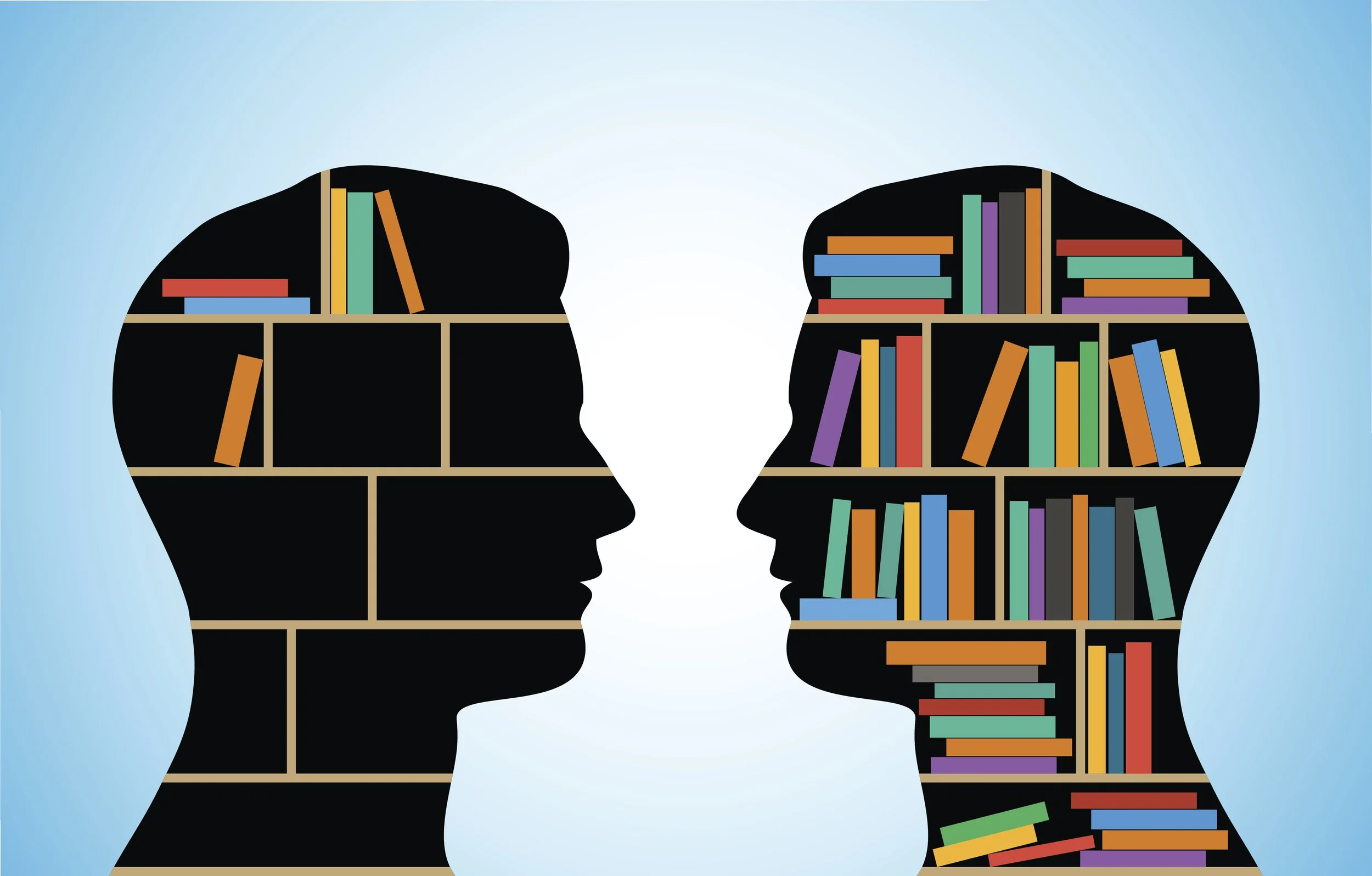
Image source: Harvard Health Publishing
A couple of years ago, research emerged revealing that people in this information age process an image 600 times faster than text. 600 times! That just blew the old adage that a picture is worth a thousand words right out of the water.
I suppose we shouldn’t be surprised. It was back in the 1960s when presidential historian Arthur Schlesinger noted that the American presidency had become all about image over substance. And, so, it has become everywhere. For millennia, the sight of a religious icon or a painting masterpiece represented essential things of note, even God or death. People had to make do with such images until education enhanced their ability to read. Books were suddenly produced in popular form. Then words became not only necessary but could be memorized or immortalized, often both.
But then came the camera, the movies, fashion magazines, political pamphlets, and smartphones with cameras. Scanning an image seemed simple as opposed to reading a book. While it takes seven seconds to process a 25-word sentence, it only takes 13 – 150 milliseconds to process an image.
The human brain has always preferred glancing at images. For most of history, the majority of people were illiterate, so images were what beckoned to them. And while beautiful paintings and carved windows carried a deep sense of truth and humanity, there were those enlightened leaders who promoted initiatives to cognitively understand what could be seen. First, there were private schools and then public ones. People like Charles Darwin were publishing treatises on the inner works of nature or the human body. Over time, the human brain demonstrated better understanding the world than just a quick glimpse of it.
There’s a reason for the sudden decline of reading across the globe. What words there are mainly come from posts, tweets, brief articles, news snippets, and mobile messages everywhere. And the terms in such deliveries rarely get read unless accompanied by a digital image. Content is now the image, not the word.
For serious writers, this is now a challenge. To read and understand written words takes time and concentration. Regardless of the writer's quality, the capacity of the reader is even more vital. The human brain has to take printed words and letters to understand the meaning of why they were laid out in a particular fashion. The best-written prose or poetry won't connect if the reader can’t comprehend or has little desire to take the time.
Words contain the meaningful intent of the person writing them. Simple words can register with the reader, but complicated ones are just as frequently passed over. Writing them requires someone just as serious about understanding them.
I recently reread Canadian author Anne Michael’s compelling Fugitive Pieces – a novel about Holocaust survivors. It’s a masterpiece about the human condition, but I found myself struggling to capture its depth. I couldn’t put it down when I first devoured it 25 years ago; now, it was a struggle. Then it hit me: the writing hadn’t changed; my capacity had.
Just to be clear, I write every day, sometimes thousands of words. But much of them is to be found in emails, Facebook posts, Twitter tidbits, and the odd note to a person. The pandemic has been so oppressive that I haven’t been able to take the time to work on my novels, poetry or even social commentary essays. That lack of cognitive engagement is cutting into my capacity to read and comprehend as in the past.
Such is the writer’s dilemma. Books are still popular. Newspapers are still important. Research papers still matter. But in all three areas, people are reading less. And the less they work through such writings, the more their ability to comprehend will atrophy – just as with any other human attribute.
Writing is ever more than mere words; behind each letter is a concealed message that transcends whatever words are on paper or screen. One has to write in such a fashion as to tease or emote the reader into deeper water. But there must be a willingness in the reader to toil at finding that message. The average adult reads at about 200 words a minute, yet research tells us they already find a 500-word document too imposing.
Writers know all this intuitively. Yet they must write since people must be on a track to deeper understanding. And the writers themselves, through the very practice of placing their heart and experience openly in script, have more profound tales to tell, the kind that take days, weeks, months, even years to unfold. Writers must write, and readers must read, or there’s no deeper understanding of our humanity.
