
Spanish Flu Redux?
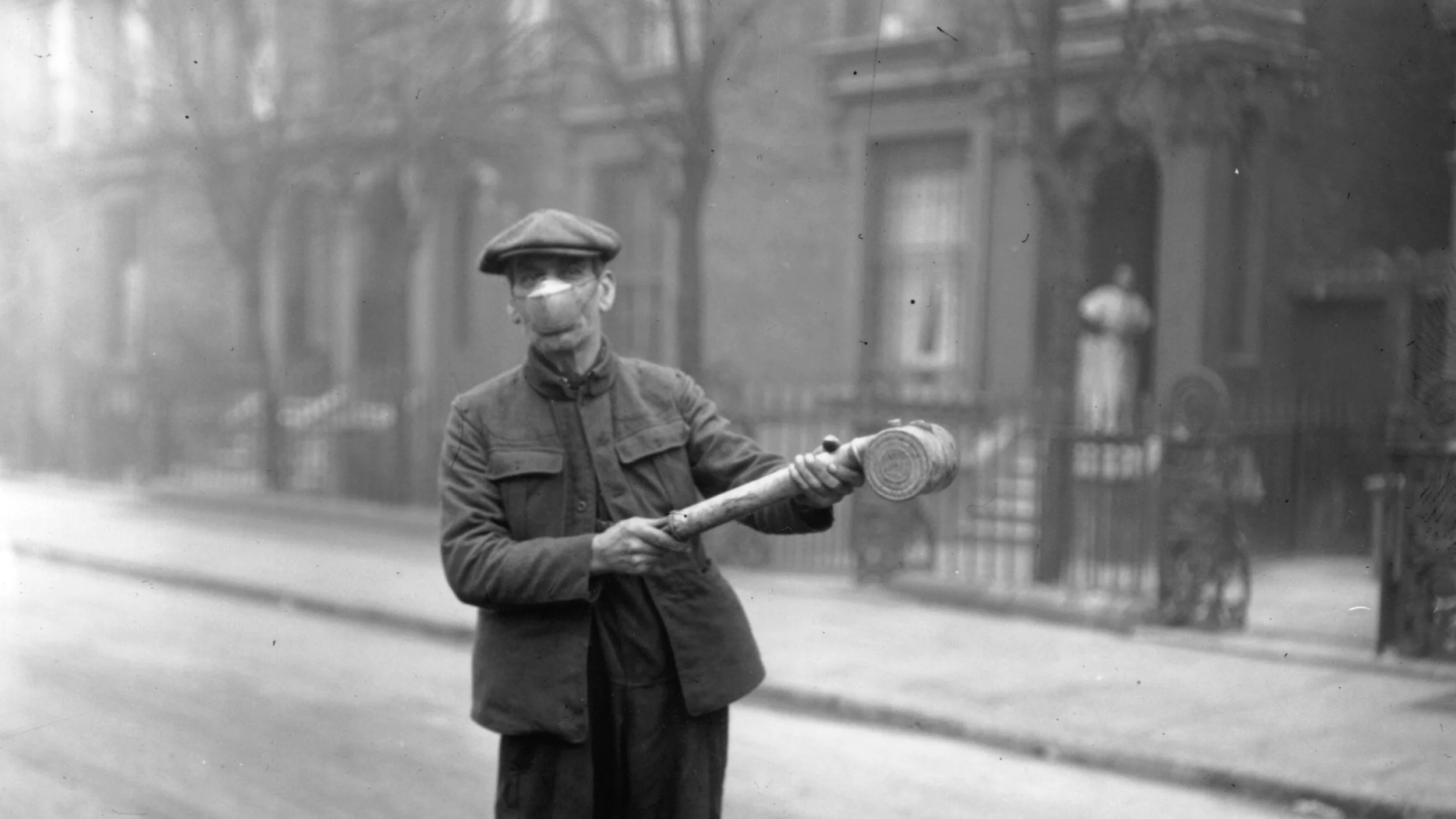
One of the interesting by-products of our current pandemic has been greater knowledge and understanding of similar events in world history. So many plagues, epidemics and pandemics have been part of the human story but have remained largely ignored or avoided until recently.
When people began hearing of the great Spanish flu pandemic a couple of years ago, the majority of citizens were forced to admit they knew little to nothing about it. But as the similarities between the two health emergencies became more apparent, it became clear that a particular pattern emerged about how people and their governments avoid, manage, then eventually forget these lessons. A look at the Spanish flu developments sets that pattern.
When the flu first emerged near the end of the First World War, governments worldwide sought to suppress its realities. Only Spain was willing to talk openly about it and the effect on its populace. That reality resulted in the title “Spanish” flu – not because it originated there.
It now seems likely that this deadly flu that killed up to 80 million people originated on a farm in Kansas. And as tens of thousands of American soldiers were being shipped off to war in Europe, they unknowingly carried the virus with them. It spread everywhere, infecting between one-half and two-thirds of the global population. The world population at that time was roughly two billion people, making the loss of up to 80 million a significant international event.
As the conflict ended in 1918, exhausted and beleaguered soldiers returned to their homes, unwittingly bringing the virus along with them. The virus subsequently spread like wildfire. Public health measures like masks, social distancing and closures were implemented to mitigate the spread. It was a brutal period, but when it began to subside, millions around the world believed the worst was over. It wasn’t.
The second wave hit just as the first was abating. Only this time, leaders downplayed the threat for fear of offending voters. Willing to let the virus now run its course, do away with social distancing, ended lockdowns and ignored their earlier plans for investing in scientific research that would handle the flu. That reticence meant that an effective flu vaccine wasn’t developed until the 1940s, two decades later.
Things became critical again as hospitals were at overcapacity. But the cohesiveness of society that had been obvious in the first wave had deteriorated by the time of the second. An increasing number of citizens and organizations began speaking about conspiracies and authoritarianism. Death numbers started to soar until it became clear that new restrictions would have to be enacted. Eventually, numbers began declining, and people believed that the pandemic was ending.
Again, they were disappointed when a third wave set in in the winter months. What was making it all worse was the scattershot approach taken by different municipalities the world over, including Canada. Some didn’t develop a proactive plan, leaving the third wave to wreak havoc on their populations. Others did better by initiating more robust measures to limit the capacity of the spread. Also, by this time, the numbers opposing such efforts were growing as the pandemic dragged on for two years. A fourth wave emerged, but though highly contagious, nevertheless ran its course quicker and began to diminish.
By 1920, it was essentially over. Yet, a virus that was only 3-4 years old had remade the world in ways unexpected. Economic decline awaited those eager to get on with post-war life. Poverty grew, as it was estimated that the pandemic had reduced GDP by 6%. Investments had declined.
Eventually, things began to come around. Increasing investments were placed into healthcare and scientific research. Trade was opening up, as was foreign travel. The middle-class was in the process of ingratiating itself in more prosperous nations, as people enjoyed more buying options and labour forces expanded.
It was at this point that global progress entered a critical stage. While all the celebrating was going on, people spent too much, and investors gambled their earnings too much. The Great Depression descended on all the hoopla and the oxygen out of the room. And the growing poverty that resulted paved the way for fascism to enter the global stage. All of this ultimately lead to another global war.
We all know what happened after that point, as the defeat of the Axis forces paved the way for a new era of prosperity and openness. But if we are to learn anything lasting about the Spanish flu experience, it would be that the dislocations – economic, social, health, political – resulting from the virus are often more dramatic than the pandemic itself.
What will it be like as Canadians eventually emerge for these winters of our discontent? And how will we rebuild in an era where climate change significantly reduces our potential for rapid progress? We will soon repeat the patterns that followed that Spanish influenza and, if we are not careful, can find ourselves back at square one, with even more significant challenges ahead. One would be justified to wonder if we are up for a more restrained future.
