
Mothers of Confederation
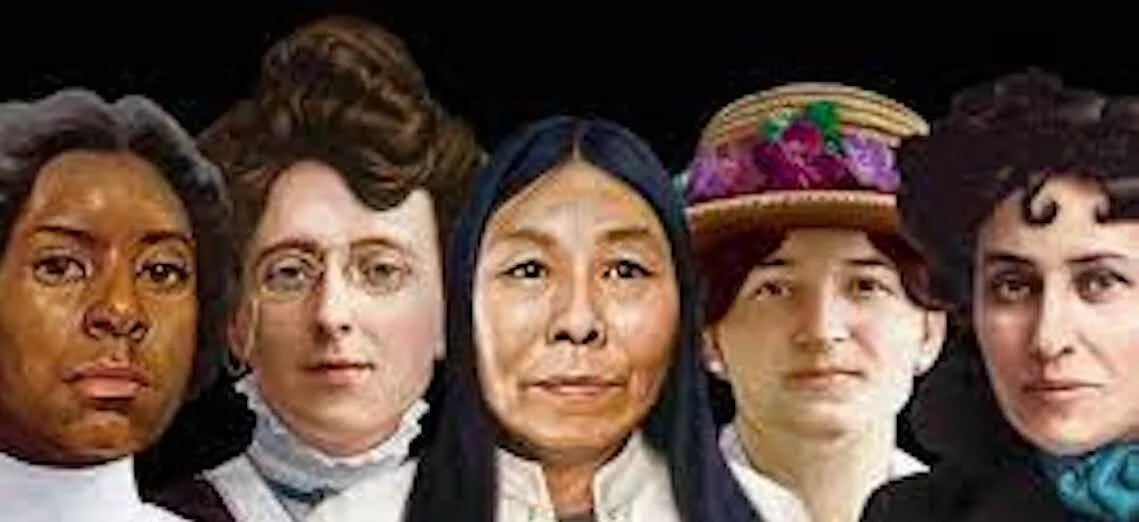
I taped a Mother’s Day message earlier this week for a local church online service and almost fell into that familiar groove where we thank our mothers for their love, nurture, stick-to-itiveness and, ultimately, for life itself. It felt so normal – the kind of stuff we always say.
Looking for something different, I thought of how this particular church had been founded in the same decade as Canada’s Confederation. Searching for the influence of mothers in those years was something of a revelation.
At this country’s founding, it became clear to our political leaders (French and English) that the new nation was desperately in need of builders – the kind that can form a new country. The Civil War in America had just ended and it had become clear just how vital nation-builders would become.
A movement began which eventually reached out to European nations, asking that women and mothers be brought to Canada to bring it stability and industry, not to mention domestic energy. Newspapers promoted the invitation overseas. One paper in particular touted women as, “economic managers, helpmate on the farm, a mother of future citizens, and a standard-bearer of civilization.”
And, so, a new phase of Canadian development began, as women, many of them mothers, arrived by the thousands, not to find domestic bliss but tremendous work to be done, children to bear, husbands to partner with, and communities to build. A look back at the roles they took on is remarkably revealing – fishing boat operators, sawmill owners, clothing store proprietors, farmers, owned and operated mines. A study of 1820 discovered that women were, “silversmiths, woodworkers, coachmakers, lumberjacks and morticians.”
We hear far too little about what these remarkable women, most of them mothers, accomplished in a pioneer era, though they weren’t to acquire the right to vote for another century and a half. And while a large part of their recruitment was for becoming wives and mothers, the reality is that they fulfilled those roles while still building a nation in the process. They were remarkable.
As cities grew, so did the opportunities for women – though hardly equal to those of men. Soon enough they began owning more businesses, became nurses in significant numbers, educators, doctors, chartered accountants and lawyers. In so doing, they fulfilled the insight of Emily Murphy, in 1916 a human rights activist, author and jurist:
“I believe that never was a country better adapted to produce a great race of women than this Canada of ours, nor a race of women better adapted to make a great country.”
She was right, so much so that these early Canada nation builders became known as the “Mothers of Confederation.”
And, so, they have remained. We are more familiar with the great female contingent that kept this country running during wartime, but women’s contributions reached every aspect of nationhood, even when the official doors were closed to them. They have gone on following World War Two to become leaders in important fields like law, politics, public service, diplomacy, corporate owners, sports and entertainment luminaries, Indigenous enlightenment and education..
Why did they do it? For many purposes, I suspect. They fought to have their equality established. They were as curious and intelligent as anyone else. They loved their country, along with their families.
Of course, they excelled in building a moderate and prosperous reason for another vital reason: to build a better world for their children. Without their trials and excellence, their offspring might never have survived or enjoyed a better life than their parents had known.
These are the remarkable women we celebrate: mothers who not only loved their children, but fought in every aspect of life to make a larger life possible for their kids. Let’s remember that when we cook the meals for our mothers today, present the flowers, or visit the gravesites where they finally enjoy their deserved eternal rest after building a nation that has turned out to be the envy of the world. We will remember them.