
No Mastery. No Wisdom.
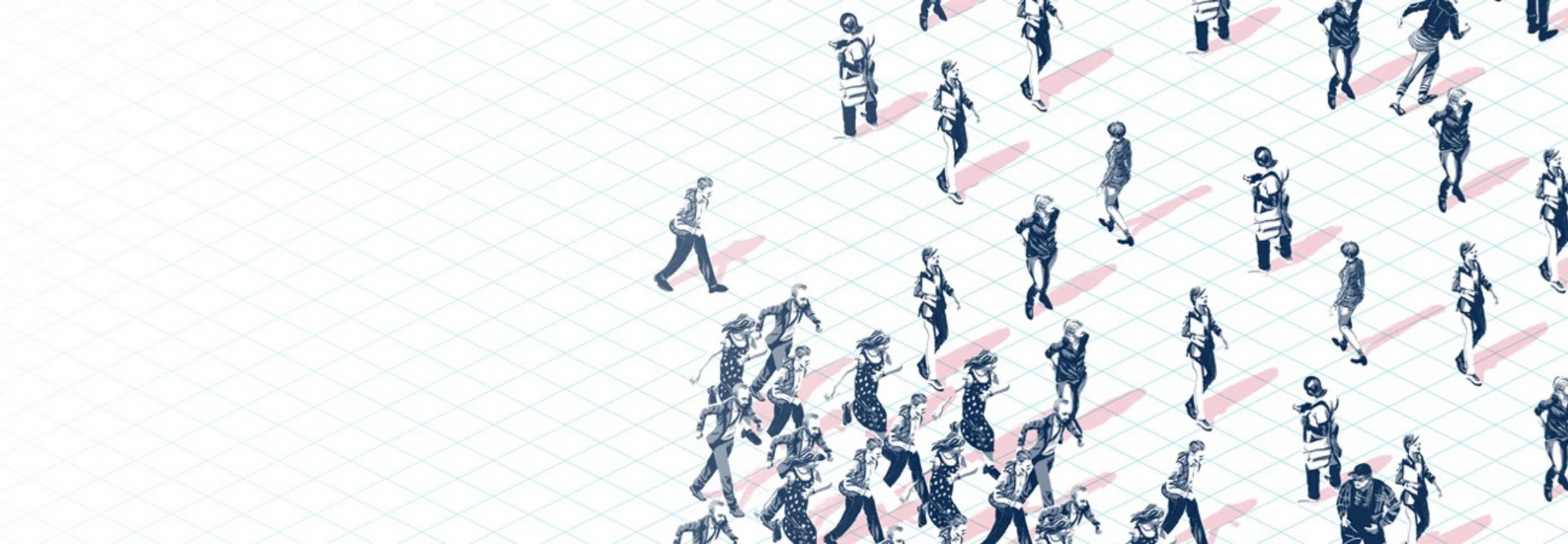
It’s gradually becoming clearer that we are fast on the way to becoming our own worst enemies. True, governments have bungled the COVID vaccine rollout. True, concerns about the efficacy of the vaccines themselves and their delay in distribution have contributed to our sense of uncertainty and angst. And true, the purposeful mangling of the truth by certain digital forces is adding to the confusion.
But there’s something else going on. I’ve spoken with a number of folks lately who feel it and are growing worried. It’s just this sense the we as citizens are in the process of ruining things for ourselves, of creating something of our own making, outside of the challenges mentioned in the first paragraph. Many are suffering a kind of distemper, brought on by the uncertainty of our times and the sheer length of the lack of solutions. Others are outright angry, infuriated at the system for this or that and legitimately attempting to make their feelings known. Still others are merely attempting to keep their heads down, adopt a low profile, and hope that we are in the process of beginning to emerge from the pandemic dystopia.
Not all that long ago, when we came to believe that the Internet would finally bring us together in ways that institutions, traditional media or business acumen couldn’t. We felt we were on the verge of a renaissance, an era where citizens and organizations could connect without all those gatekeepers seeking to get our vote or our money. Time would more or less vanish, as we instantly connected and grew in our understanding of one another and the better world we would seek to build together.
It took only two decades, less than a millisecond of civilization’s span, to instead twist that advantage to a tool for distrust, demonization and dystopia. So much has been conveyed on how these tools have ruined us that there is no need to repeat all that here, but it should point out something vital about our capacity as human beings and citizens. Digital media and devices made it possible for us to voice our concerns and loyalties where it had once been impossible. The belief that our Instagram, Facebook, Twitter posts, among others, could reach a broader audience frequently blinded us to the possibility that all these communications of every opinion in every place was leading to a vast confusion that rendered our ability to fight the great machines that had suddenly taken over modern life impossible.
We are fully within our rights to express our views, but in our search for our individual voice, we have somehow defrayed our gathered power to shape our world for the better. Our collective voice has somehow gone missing, along with our ability to ensure that humanity isn’t run over or blindsided by forces greater than our individual efforts.
But it’s worse than that. Somehow, we have been fooled into thinking that having certain amounts of information, and some social media friends of similar persuasion, has made us experts on particular files. Acquired knowledge is a good thing, but the challenges before us are so complex in their makeup and effects. What we require is a workable aggregate of social, medical and environmental scientists, action groups and citizens themselves, coming together to face an imposing future. Yet, that’s just what we can’t do, since we are so divided and isolated in our opinions. We spend our days shaming others with whom we disagree and somehow think that it will help us get to a better world. We saw how that worked out with politics; it would be tragic to watch citizens go through the same self-burn. Even friendship and associations have been ruined by the new pandemic of blame.
Author Siva Vaidhyanathan summed it up succinctly three years ago:
“Our very tools and techniques for communication threaten to wipe us out. We display unlimited talents but no mastery. We process infinite data but display no wisdom.”
Or, as Naomi Klein would point out in the same year: “We are left unprotected from disease and hyper-exploitation.”
Look, we’re all going through difficult days, leaving our hearts and minds reacting to events that seem so vast and unexplainable. We need to be careful in thinking that we actually understand such things. Philosophers and academics have struggled over human reasonings for millennia without full agreement. But what is now necessary is that we comprehend that these marvelous digital tools that enable us to keep in touch with family and friends, fight for important causes, and keep us up-to-date on current trends, have also empowered us in ways that make it difficult to find our social hegemony as citizens of this world.
Should we keep journeying down this road individually, as opposed to collectively, then forces far more powerful than we are will ultimately prevail. Our ultimate strength is in our numbers, not our opinions, as important as they are. None of us are masters of these great challenges. What we have to ensure is that we don’t become slaves to a machine that gives us the power to vent but leaves us defenseless, unable to actually create the change we seek.