
Always Connected. Always Hooked
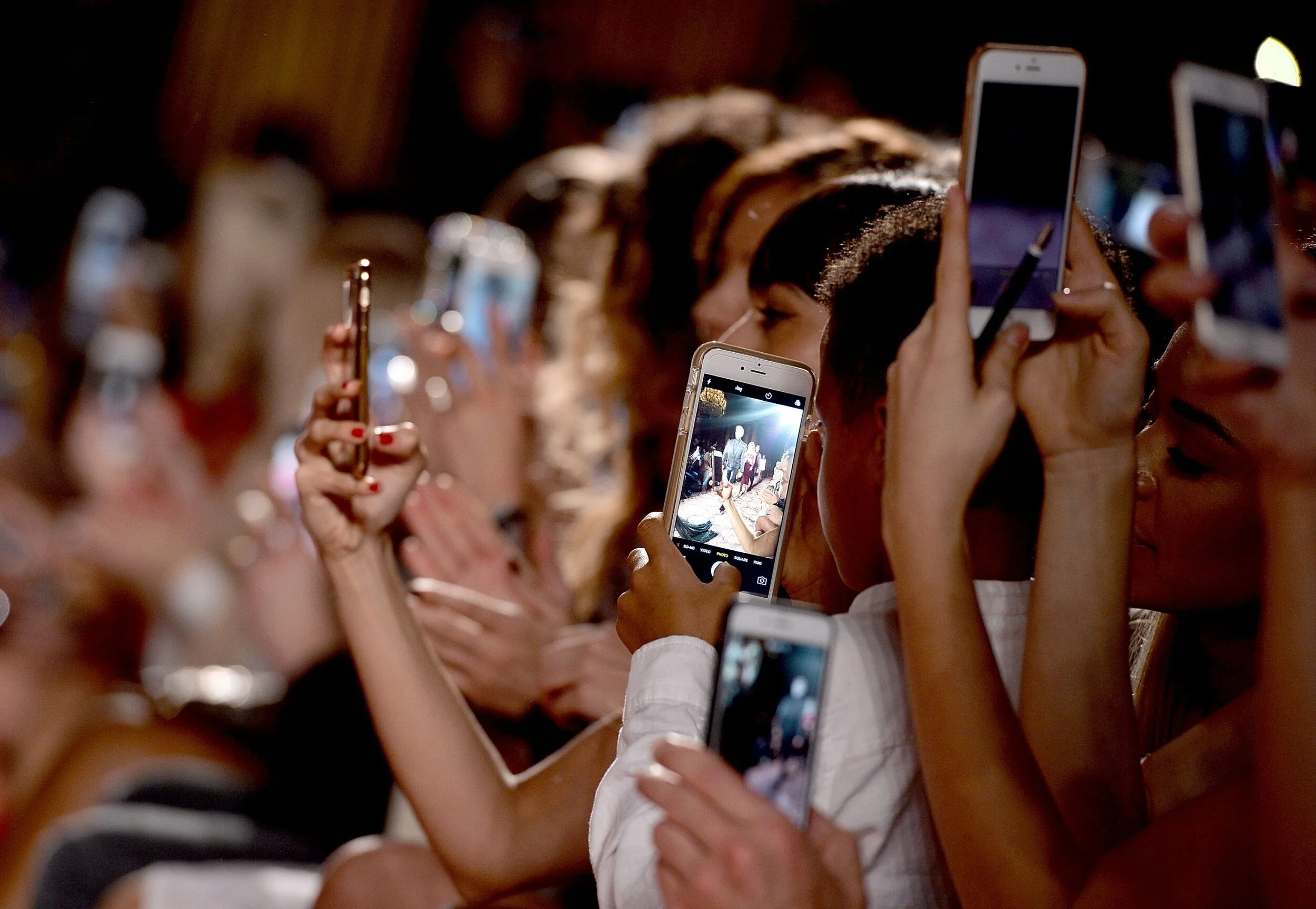
I had cause recently to take on some errands for our local food bank. You get to the point after 35 years where it’s possible to do such tasks without taking in your surroundings. But on this one day, I witnessed people in long grocery lines, almost all hooked on the cellphones while waiting. People were doing the same at bus stops or at sidewalk intersections. Regardless of where I went the picture was always the same: people attempting to survive the rigours of a pandemic who were spending most of their idle time online, regardless of where they were.
I find myself frequently doing the same thing. Directing a food bank, sitting on different boards, doing the laundry, spending time with our three kids in the lockdown, writing articles – these are my daily routine, and yet I somehow squeeze in more online time than is likely good for me.
It wasn’t all that long ago that days were filled with single tasks. You would answer the phone and then it was done. One watched a favourite television show, then switched it off. You walked down the street to post a letter. You’d sit down to study or write some notes for work next day. Those responsibilities are much like we have to do at present, except for one vital thing: there is no on and off today, just constant connectedness.
The online world is now is everything we do, and we take it in much like oxygen. It connects everything, even though the tasks remain distinct. We can no accomplish most things on the phone we carry in our pocket. It’s the hub for most of what we do. We order our clothes online or supper for the family, pay our parking tickets or check the movie times, look up the sports scores or bus schedules. But these disconnected activities are now joined together seamlessly by that same device in our pocket. It’s so convenient, so much more efficient and so addictive.
Someone once coined the phrase, “data is the new oil,” and it’s true. It is that information and the ease of getting it that runs through the cracks and fissures of our daily routines, effortlessly bringing them together. Best of all, most of it is free, through the applications that digest everything for us, sort out what we like and what we don’t, and deliver them to us in a fashion that’s easy to consume.
That’s exactly the way it was designed. Behind all this digital activity is an online ecosystem intent on taking over every waking moment of our lives, and sometimes in our sleep. We have come to depend on it as a means of functioning through each day. We reach out to the world through online services and it gets back to us in a millisecond. We are always connected and therefore we are always capable of becoming totally consumed.
We’ve all talked about this a lot lately, owing to the deep divisions and online attacks south of the border. And the culprits are easy to locate: the technology firms that both aid and abet the darker sides of human nature. We get angry with Facebook, Twitter of Instagram and rail against them online for promoting racism, the dark arts of politics, shaming, or the status quo. And yet we use these same tools everyday ourselves because … well, they’re free and the reach everywhere. We attempt to justify our use of such tools by saying that we don’t use them for sick practices, but the reality is that our very use of the platforms justifies their existence, regardless of how divisive they are.
For me, this aspect of modern life poses the greatest danger to democracy. We are rapidly coming to terms in acknowledging that it is the users of such platforms – citizens – that give them life, not the other way around. Attempts by legislatures around the world to limit the sinister uses of social media are inevitably faced with charges that such restrictions deny free speech. It’s a valid point, but no government has been prepared for massive influx of lies, hate and racism flourishing on the net. What’s the point of having laws if you can’t enforce them?
It shouldn’t be a surprise that so many are now voicing the desire to quit Twitter, Facebook, Instagram, TikTok and others. But they don’t because what is the alternative? The broadest reach and largest audiences come with these platforms. To quit and seek an alternative would be to tone down one’s influence. The reality that it would also protect one’s privacy more effectively to make the switch, but we just can’t overcome the desire to be heard, to post, to matter.
The global village has become the global frontier. If the dark practices of digital domains is to come, it will only defeated by citizens themselves break from such platforms in search of others with more integrity. Governments will inevitably get more involved, as is happening in Australia at the moment, but it can only be when individual citizens fight for their own respectability, privacy and dignity that a corner will be turned. We still wait for that moment.