
For Canada's Food Banks, Troubling Days Ahead
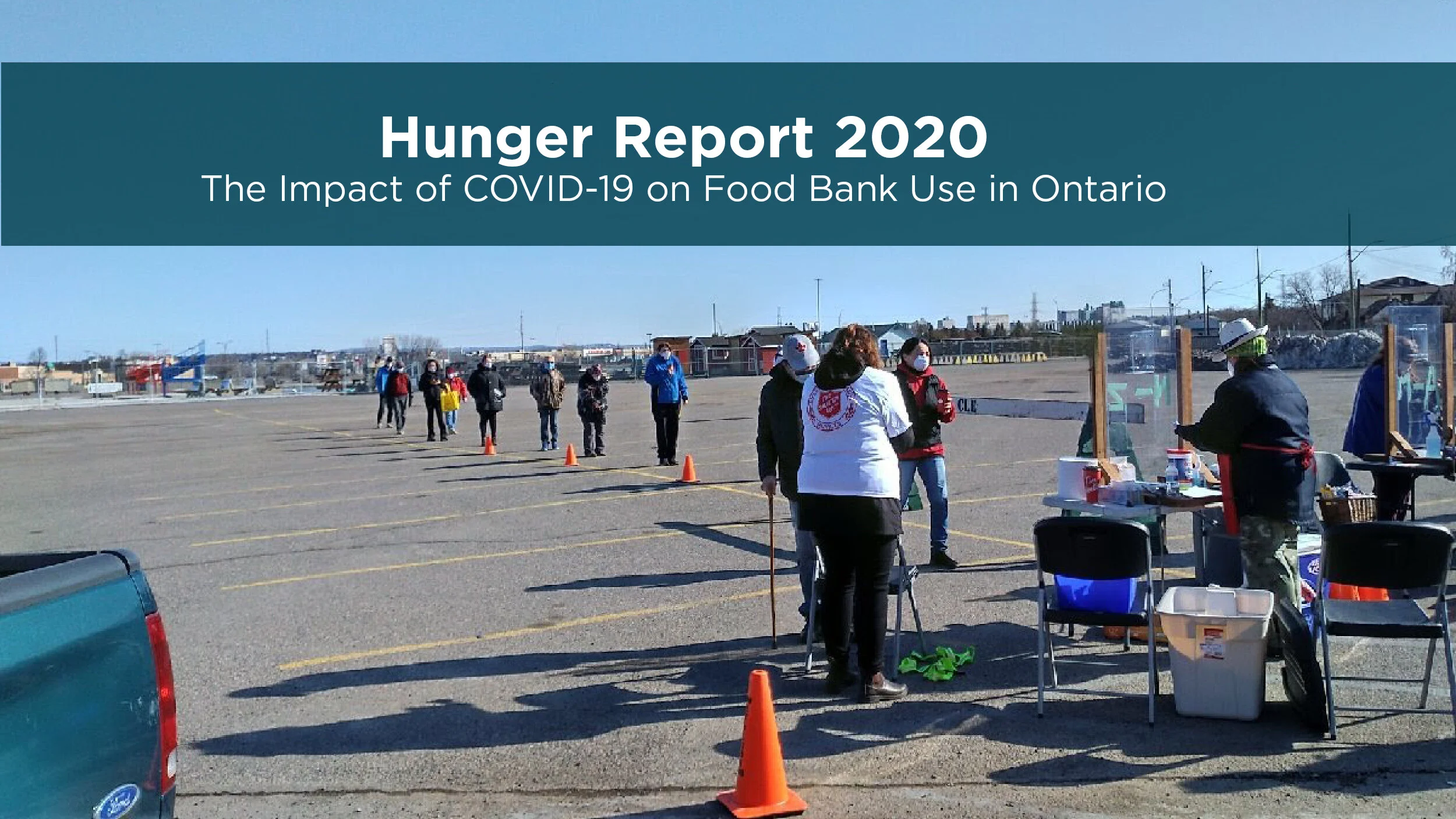
This was the week that we got a better picture of how COVID-19 affected the complicated operations of food banks across the country. Both Food Banks Canada and Feed Ontario revealed just how different the food bank story is, depending on where we live and which particular phase of the pandemic timelines we are in.
Ontario’s Hunger Count 2020 sadly revealed that visits to food banks across the province was already increasing prior to COVID’s arrival. Between April 12, 2019 and March 31, 2020 (roughly the beginning of the pandemic), food bank usage was up 5% over the previous year . A staggering 3,282,000 visits occurred during the time, already causing food bank to make adjustments for the increase.
Then COVID came and it all changed. A surge in use saw visits rise and 26% were new users. This was significant and meant food banks would need to work together, increasingly networking to meet the demand.
Some operations, like in our own in London, Ontario, saw a drop in the initial weeks, mostly for two reasons. The first was government interventions at all levels - local, provincial, national. Governments comprehended quickly that with much of Canadian society shutting down, limiting journeys to food stores, disrupting the global food supply chain, and worry about contact in those initial weeks when Canadians were still getting their minds around how COVID spread, they had to act. The easiest and quickest way for them to assist in a timely fashion was to funnel food and financial assistance through the vast food bank networks that have existed in Canada for over three decades. The difference was immediate, especially through the CERB benefit, which enabled Canadians to have enough cash to get through the difficult months.
The second, as discovered in London, was the reticence of citizens to use public transport to travel across town to the food bank. It was understandable, as masks then were still a hot topic of discussion and people were fretting about coming into contact with too many people. So, they opted instead to search out food availability through agencies in their neighbourhoods, like community resource centres. While food bank visits declined initially, those frequenting these more local opportunities went up.
The Canadian food bank network was under assault from so many different pressures and no food bank experience was identical to any other. They had to respond in frequently different ways. The government assistance helped, but protocols still had to be respected, operations had to get by with fewer volunteers, and many, perhaps most, saw donations plummet.
But there were some intriguing illustrations of innovation and reinvented collaboration. In London, as an example, a large greenhouse was constructed during COVID, with significant support from the community, businesses, construction personnel, a community college and environmental groups. The ability for communities to grow their own food, making the food system more secure and local, will be an increasing theme in any post-COVID response. In addition, the London Food Bank collaborated with agencies, large and medium-sized businesses and especially the under-utilized convention centre (RBC Place) to put together hundreds of both cold and cold lunches each day to be delivered to those homeless populations “living rough” near riverbanks and in forests. It was a huge success, still continues, and reveals the ability of Canadian communities to respond to crisis if the opportunity is given.
Such new programming is encouraging and will outlast this pandemic, but the overall story for food banks is one of a cautionary tale. When they were needed more than any other time in their history, food bank operations geared up and met the need. But it’s the greater demand that is now sure to come that represents the greatest challenge. Food bank life is about to become much more complicated and pressure-filled, as the economic fallout from the greatest public health challenge we have ever known works its troubling way through Canadian life. These will be darker days, sprinkled occasionally with acts of great collaboration and collective action. The demand on food bank operations will be unlike anything that preceded this year. The challenge is upon us and no food bank will survive without the increased support of communities in which they are situated.
For this reason food banks are challenging governments at all levels to develop better policies, aimed at tackling poverty in meaningful and systemic ways. They have always done so since their beginning, but the urgency is now intense. Childcare, a living wage, better social assistance supports, increased investments in housing and mental health initiatives - these are but a sample of what governments will need to do if they wish to emerge from COVID-19 with the ability to build a more equitable future. Until that time, Canada’s food banks will continue to bear the brunt of food insecurity and will be challenged in ways never envisioned even a year ago.