
We Are Who We Are
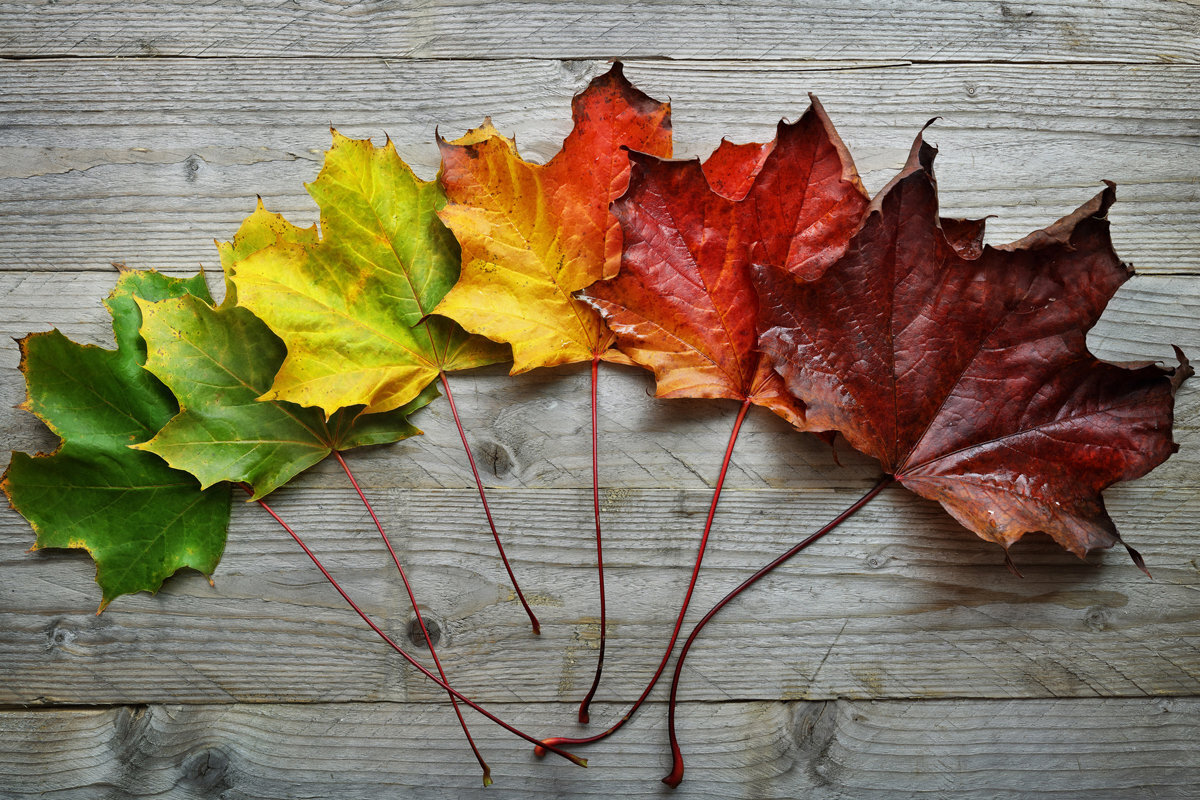
The story of history is the account of the mixing of peoples. Nothing ever remained static. As the world’s opportunity’s grew and powers sought to exploit those opportunities, the ethnic and racial mix of populations became an ongoing fact of life and most often led to tensions and, at times, outright conflict.
The suspicion and hostility of various tribes and associations was just one of the many things the progressive side of civilization had to contend with. How do you get people of wildly different cultures, religions, gender relations and ambitions to coalesce around the idea of building a nation or a community together without it bursting into conflict.
And it wasn’t just about race, country of origin or culture identity. It was also about wealth - who had it, who controlled it and who used it to solidify their power and prestige at the top of the human population? The pursuit and preservation of that power did just as much to promote conflict and angst as anything else.
Newly developed nation states suddenly had borders and had to somehow contain their differences within those boundaries. History’s turbulent progress can somewhat be measured by each country’s success at keeping everyone together.
Canada has remained one such country since its outset. While the American Civil War was raging on, Canadian leaders like John A. McDonald and Wilfrid Laurier were meeting in an attempt to take the many divisions and interests across the land and congeal them into some form of constitutional association. That they succeeded more or less peacefully was a miracle in itself. McDonald who epitomized the broader British interests became our nation’s first prime minister, and Laurier, a true champion of the Quebec sense of uniqueness and French solidarity became the nation’s eighth. Sadly, the indigenous populations, this country’s original inhabitants, were never part of that equation and to this day continue to struggle for their rightful place in the ordering of Canada’s political, economic and social architecture.
Despite all the odds, the struggles, the threats of separation, the histories, Canada has kept itself together and in this past five years has been declared the world’s most peaceful four years of the five We know all this. We celebrate it.
But it’s true that we never mastered it - it remains a work in progress. When famed Canadian author Northrop Frye sought a title for his own thoughts on Canada, he finally selected Divisions on a Ground in testimony to this country’s ongoing challenges and realities.
We are getting older as a country and as each new challenge confronts us, we age just a bit more. And, over time, our country, being as modern, pluralistic and constitutional as it is, is containing more and more differences. We are a great experiment of humanity, as populations from around the world, bringing their distinctions with them, have settled in Canada, making it their home and with the full rights of Canadian citizenship.
What happens when all of these differences stake the same ground and live under the same constitution? Inevitably, it could never be easy and occasionally those tensions come to the fore. If a way can’t be found of gathering around shared commonalities, differences will boil over until they become threats to our fragile hegemony.
It used to be that our ideologies or regions formed our great divisions. Now it is our identities. And it has been our politics that quickly become our tension points. Instead of struggling over west versus east, Christian tradition over other faiths, urban versus rural, our conflicts have morphed into rich versus poor, black versus white, Liberal versus Conservative versus NDP versus the Bloc. And as our politics ran dangerously close to using those divisions and tensions to divide us, we have run the risk of losing our collective will to live in peace together.
As every Canadian has a right to their personal identity, they also have the historical responsibility of working through their differences in order to keep this country safe for their children. We are in the midst of being reformed as a nation and many of these reforms have been too-long delayed by customary bias. We are discovering as we age, that, like other nations, we grow more divided as we grow older. The points of contention seem to have increased. The more pluralistic we become, the more opportunity to spot our differences.
Consequently we run the risk of losing the common ground. Our politics can turn neighbour against neighbour, community against community, region against region. In many ways this is our most dangerous moment since 1867.
Yet it’s true that we are remaining in that overall experiment of Canadian democracy by choice, despite our tensions. We are who we are and we are coming to terms with those distinctions. In other parts of the world they have led to destruction and decline; in Canada they are leading to experimentation accompanied with - and this is the key point - the spirit of goodwill. We are remarkable in that respect. We are touted around the world for the fact we are opting to remain together despite increased complexities and problems. Again, we are who we are, together, and that is still a remarkable - a Canadian - reality.