
Forget Life Pre-Corona. We Couldn't Afford it Anyway
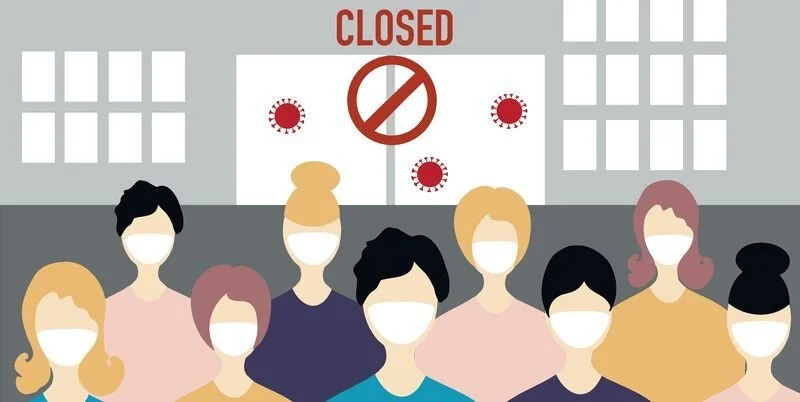
We are slowly coming to terms with the reality that the present pandemic will cause serious damage and that it will likely take months before we can begin clawing our way back to normalcy, to what life was like before a virus we had never heard of made havoc of our lives. We remain in our homes and wonder what comes next.
But that would be a mistake. It’s right to desire to get through this together, but just how great was our mutual existence prior this emergency? When we think about it, we are forced to acknowledge that our greatest challenges weren’t being overcome. Whether it was climate change, the loss of meaningful work, costs for pensions, healthcare and education that were eventually getting out of reach, the relentless rise of political dysfunction along with the growing divisions and hate that went along with it. These, and so many other things, were hardly on the mend but spiralling out of control.
The coronavirus has reminded us just how fragile was the life we were making before it arrived. A huge number of us wondered what was becoming of our world, of the progress that we thought we were making not long ago. The systems we had built over many years were parched, starved of resources and appearing more fragile with each passing year. We continued as though life was a kind of shopping spree, that interest rates would remain low and that the amounting costs of climate change … well, we would deal with that another day.
For all the wealth we knew was being acquired in the world, we never seemed to have enough of it to end homelessness, to invest more substantially in education, in healthcare, in small and medium businesses, in our indigenous communities, in research and development – heck, in everything that really matters and which we say we believe in. But our homes were bigger, our vehicles nicer, our travel more exotic, and our online dependence was itself becoming something of a digital pandemic.
And now here we are – all of it on hold as one oddly shaped virus has laid us low. It’s just as Dr. Anthony Fauci, director of the National Institute of Allergy and Infectious Diseases, and the truly sane American voice in their political debacle, put it to Congress:
“The system is not really geared to what we need right now …. That is a failing. Let’s admit it.”
Yes, let’s admit it, since our personal and collective redemption depends on the sincerity of that confession. We had become distracted and failed to act as responsibly as we should have. The things that we really do believe matter more than anything else were the things we didn’t invest enough in: health, environment, the vulnerable, our generosity, ingenuity, infrastructure, and, yes, the planet. And we were in the process of failing our very democracy by our willingness to judge our political leaders by how much they cut our taxes, shredded our hegemony, and distracted us from thinking of sound public investments like public transport, affordable housing, more sustainable communities, and a more peaceful, merciful and diplomatic planet. We were in the process of failing in such things and our present pandemic has uncomfortably revealed us as emperors with no clothes and reminding us that we couldn’t afford it anyway.
And, so, we are in a time of crisis – a threat that could have been prevented if we had just listened earlier to the experts and invested as though humanity was worth every sacrifice. We became shallow materialists, blinded to our growing precariousness. And now here was are, at home, afraid to go out, running out of supplies, feverishly watching any screen that talks about the virus, and more insecure than many of us have been in our lifetimes. Suddenly, what we have isn’t as important as what we could lose.
It is time for us to right the ship. It’s time to place all that wealth in resources that heal our planet and ourselves in the process. We have to realign our economies as though they are about people and communities, not just about a few getting ever wealthier. It’s time to look at whether our capitalism, as it was just a few months ago, was really getting us the security, peace and the more balanced future we desperately needed to survive as a species.
Signs of hope are appearing everywhere, should we care to notice. As entire countries curb their travel, the air we breathe is getting healthier. Governments are finally investing in the basic needs of their people which they have ignored for decades. Family has suddenly become vital again. Living in isolation has shown us just how much we need one another and our communities. Politicians are cooperating across party lines. Experts in science and health are finally being listened to as though they mattered more than our opinions. We are finally longing for one another in effective ways we should have been doing all along.
And we are coming to terms with just how precarious our lives had been. One nuclear bomb, one political disaster, one fight over oil, one more bit of carbon put into the air, one more expression of online hatred, and one more death because of coronavirus – we lived on the edge of the precipice in all these things and we haven’t felt so insecure in a long time. We are ignorant and worried about our future because we forgot to invest in our present.
It’s oddly ironic, but the pandemic is finally forcing us to make the public and private decisions we had to been too distracted to make prior to its arrival. Our very survival is compelling us to get things right – not sometime in the future, but right now before we lose the ability to heal. At long last we will begin investing in our societies. Presently, only one-quarter of all the wealth that is accumulated in the world, mostly by the few, gets invested back into our communities, our welfare, our public life. That’s about to end, as trillions are about to be placed back into the societies where they belonged in the first place – investments we must afford.