
"What's After the Pandemic? The New Renaissance?"
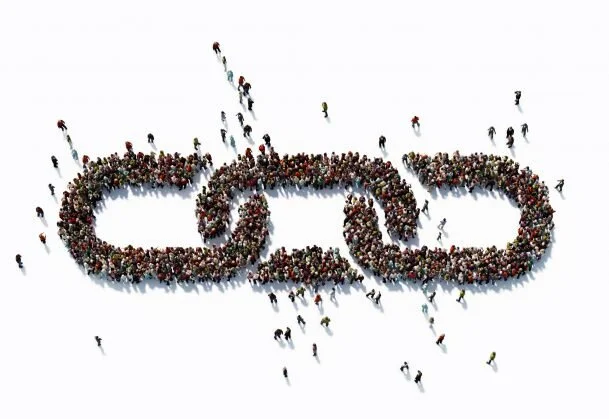
In an interview with our local paper yesterday, I was asked at its conclusion if I felt any sense of optimism at all during this crisis? I even surprised myself a bit when I replied in the affirmative.
The thing is, there is a case whereby our collective exodus from these dark and lonely days of coronavirus might prepare us for a different kind of future than the one we were heading to just a few weeks ago. It takes a lot to get entire societies to alter their thinking all at once and it’s usually following severe emergencies that it occurs.
There are the usual signs of hope that we have come to expect. The generosity of average citizens to the vulnerable, digital postings of love, hope and solidarity, the sheer dedication of our healthcare workers to remain in place, governments taking unprecedented actions to blunt the worse of the pandemic – these, and millions of acts of kindness and individual courage are what we have come to expect as nations who still value humanity.
But beneath all of that, in the quiet conversations of leaders in civil society, business, government and science, there is growing talk of how we must rid ourselves of some of the most damaging practices of our collective lives that were prevalent prior to the pandemic.
There is much talk of developing a new kind of capitalism, one energized within communities as opposed to Wall Street. We recognize now just how important our jobs have been to our livelihoods, now that we are without them for a time, or perhaps for good. On the other hand, it has become clear that employment that pays the bottom-line minimum, sees jobs dropped overnight in search of greener pastures, affords no benefits, and breaks up efforts at worker solidarity, has created working conditions that leave workers especially vulnerable to emergencies – whether in health, finance, natural disasters, or political mayhem.
We have also come to the stage of realizing that we have underfunded our health systems, at times to a dangerous degree. Nations have fared differently in this pandemic, but all of them realize that they were more vulnerable than expected in the face of this crisis.
And our views of government have changed, in some cases dramatically. What would become of us if there were no bailouts, stimulus packages, EI premiums covered or mortgage pressures relieved? Millions more would be on the streets. vulnerable and miserable. Where we spent endless hours complaining about political elites just a few weeks ago, we now seek their immediate assistance to keep us from ruin. Government really does matter, and in any complex society it is essential. We are learning that truth now, albeit a little late in the game.
In the depths of depression and the loss of hope, Franklin Roosevelt stood before Congress and proclaimed: “Among our objectives, I place the security of the men, women, and children of the nation first. They require decent homes to live in, productive work, and security against the hazards and vicissitudes of life.” He had flipped the expectations of society on their head. From that point forward, it would be capitalism in the dock, and its survival would depend on its ability to provide for the average person. The kind of capitalism that touted the rough rugged individual had led to debacle and it would need to shift its direction towards a more equitable society if it was to survive and retain government support. We all know what resulted, but it was in the leadership and courage of government in times of disaster that a better future was gained.
The coronavirus has done for us what all the political infighting, wranglings about climate change, and challenges to the prevailing economic order couldn’t do – given us the chance to reimagine a different future based upon equality of opportunity and human value. It won’t be easy, since it always seems to be those with vast resources who gain even more financial rewards following a crisis. That very well could happen after the pandemic, but it wouldn’t if the solidarity we are showing now as citizens would continue on into our near future.
There is a chance of a new renaissance for all of us and not just the few. Its spirit is being born right now and it is thriving in the hearts of communities and citizens around the world. We have realized that one microscopic virus can undo centuries of production, health and order. We are vulnerable. On the other hand, it has reintroduced us to one another, even in a time of isolation, as citizens who can control our own fate. The collective will can overcome the elitist advantage and a new, more secure, future could be in store for our children. We could have a healthier planet, a more relevant democracy, and effective livelihoods for everyone should we learn the lessons of this emergency.
Our economy, security and health are now all endangered and only a new kind of gathering and collective resolve can protect those hard-earned lessons of this crisis. We need one another. We require a well-funded science to guide us into the future. And we need communities able to govern themselves in an enlightened fashion where there are enough productive and rewarding opportunities for all of us.
What are the odds of us achieving it? Not high. What if we did? A renaissance.