
What's a Life Anyway?
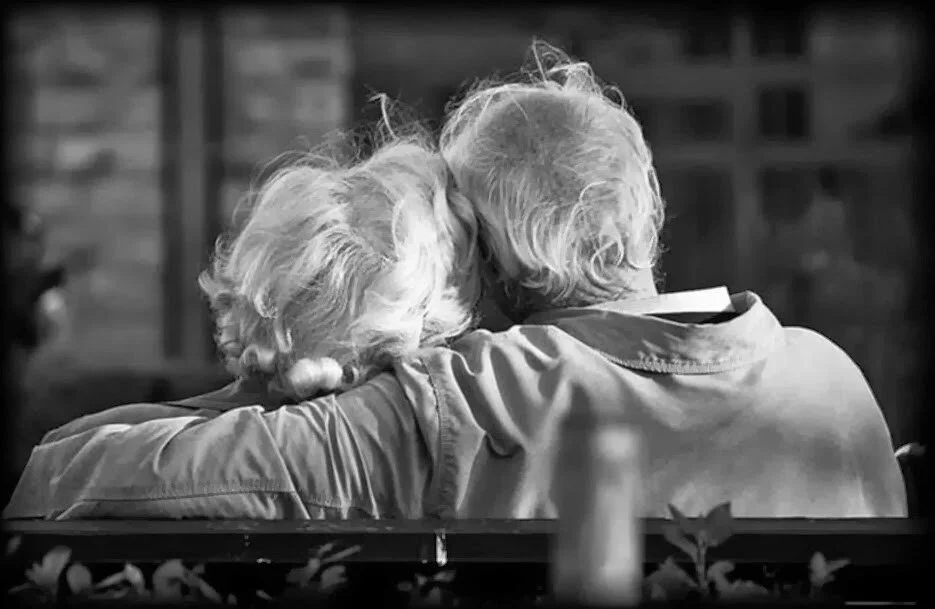
The Environmental Protection Agency in the George W. Bush era, in attempting to assess air quality regulations, reported that the value of the life of a 70-year old person was 37% percent less than the life of a younger person. This caused some politicians to suggest that seniors consider sacrificing themselves to save the economy. It was a political timebomb and the opposition was fierce. It was eventually labelled “the senior death discount,” with one photo floating around showing an elderly woman with a “37% OFF” sign hanging from her glasses. The whole thing was such a disaster that it was promptly shelved.
That was only 20 years ago and now we’re back at it again. When the American president tweeted “WE CANNOT LET THE CURE BE WORSE THAN THE PROBLEM ITSELF” only last week, he set off a series of reactions that suddenly made capitalism itself look heartless and short-sighted. He wanted to open the country for business again by Easter by calculating that if it came to the choice of some lives being sacrificed for the sake of the economy, well, it was something he was considering.
Your reaction was most likely similar to mine – deplorably shocked. It is no accident that authoritarian regimes throughout history most often targeted the sick, disabled and the elderly. But we’re not like that, right? We are progressive, caring, believe in the inviolate rights of every individual to life and have implemented policies to reflect those values. And yet here is the supposed leader of the free world floating this idea only three weeks into the crisis.
This world – our world – strove for such principles decades ago, when those who are now seniors pulled us through global conflicts and a depression, and emerged from such calamities by building universities, hospitals, infrastructure, new technologies, by going into space, paying for public schools, libraries, museums, pensions and a quality of life greater than anything the world had known. And they did it all when they were much younger than they we are now. The suggestion that we now take such gifts and sacrifice the people who had provided such necessities has to be one of history’s most disturbing developments.
What’s a life anyway, especially a life that continues to carry merit and value? Seniors today still work through institutions, service clubs, houses of faith and community associations in huge measure. They volunteer, donate and provide stimulus to the very economy the president wishes to sacrifice them for. In essence, they are us, since so much of their lives has been dedicated to giving us life.
But this all goes deeper than the false choice between life and the economy. It is about life itself and our charge to protect it at all costs. Throughout history, cultures of every kind respected their elders, seeing in them not only history but the example by which to find a way ahead. Life was sacred and those who had contributed to its furtherance and protection were the lions of history, not its prey.
Now, some are arguing that if the economy goes down, then life slides with it. This is not what capitalism believes, but it is what certain capitalist elites have maintained. But things are actually the opposite.
Consider: In an age where more wealth has been accumulated and multiplied than any time in the past, when the stock market has boomed, and world trade has made consumer products cheaper, we have tolerated accelerated homelessness, a planet in distress, more mental illness, suicide and depression than any time in recent memory, an abiding poverty, a refusal to invest in healthcare, in jobs, in research and development, in affordable education, and, yes, in an effective politics. Bill Gates has done an admirable job lately reminding us that all of these would have been defeated if we had just invested in attacking the source of the problems instead of spending our way to oblivion.
In other words, even with all that wealth, the world was becoming increasingly fragile. The problem wasn’t a lack of money, but a lack of will and perspective. And, yes, a lack of ethics. We forgot that the purpose of the economy is quality of life, not the other way around. If we keep heading down this road, and you are one of the tens of millions who are struggling with your mental health, or are sick, elderly, or disabled; if you are among the working poor, have no affordable housing, or can’t afford an elite education, then soon enough this rationale will come after you. You are an impediment to the phenomenal wealth of a few and to a capitalism run amok, and soon enough such insane opinions, along with their leaders, will be on your doorstep, claiming you aren’t economically viable, that you cost the economy too much. Your rights, your value, your potential, your voice and experience, your story, your citizenship, will mean little. It will be the beginning of the end for our civilization if we permit this to continue.
We are now in the time of Lent – the season where those honouring the sacrifice of Jesus Christ remember and reflect on the price that was paid for our spiritual freedom. But we can never do that properly if we forget the biblical admonition: “honour your father and your mother.” As Rabbi Shai Held reminded us, the Hebrew word honour means “weight” – give the elderly significance and honour. And when scripture prohibits the cursing of the elderly, the word cursing means “light” – inconsequential, disposable.
All the great religions of the world challenge us to respect experience, wisdom and the elderly, just as they charge us to care for the vulnerable. Soon it will be the time of Ramadan in the Muslim calendar and the Koran will say exactly the same thing. That’s why they are great faiths. It is this kind of value that serves as the epitome of enlightened human consciousness, and we are lost without it.
We are not open for this kind of business, this kind of economy, this kind of insanity. What are our elderly and the vulnerable worth to us – everything, for they are us and represent the best of our species.