
Don't Withdraw. Redirect.
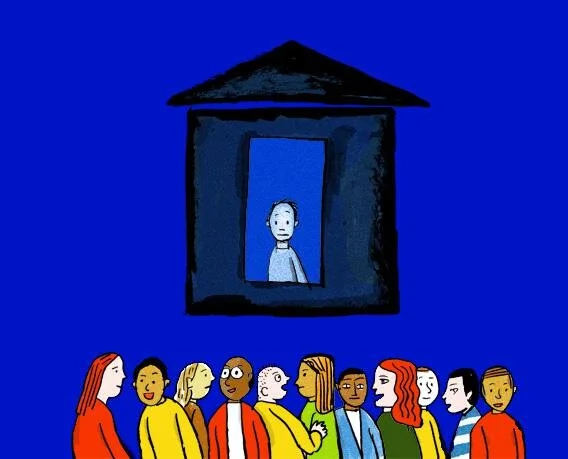
Over the weekend, I encountered two friends whom I hadn’t seen for a time. They weren’t together, but they used to be – we all used to be. After we all expressed regrets for not keeping in touch, a familiar story began to emerge and I’m discovering that it’s more prevalent than we realize.
These friends were bonafide social activists, part of a younger generation that were committed to leveling the playing field in their community. Their primary vehicle for expressing their dedication was social media. They used their apps to good effect and saw some slight changes for the better. But something happened along the way. When I saw them a few days ago they both looked more sullen, insecure and more cautious about their involvements.
Why was this? According to both of them, they, independently of one another, had been targeted on Facebook, Twitter, Instagram and others and felt the sting of rejection. Ironically, they both admitted to posting the odd negative views themselves, but nothing that matched what they had received. And now they were voicing their convictions more carefully and privately. One even commented that she was tired of all the “digital damnation out there.”
When asked what they were doing now, they confessed to being not nearly as involved. They had withdrawn into themselves for security and in pursuit of some calm. One admitted to suffering bouts of depression.
It’s likely we all know someone like this, or we find ourselves in a similar situation. We entered the activism fray years ago but have emerged more cautious and distrustful. It’s a sad commentary of our times that the people who struggle more than most to help their community have been targeted enough that they have pulled back. It’s understandable and troubling.
But is withdrawal the best way to go about it? It’s a good question since so many are in that situation. They are seeking something beyond partisanship, or tribes, or enforced loyalties, or angry communities. Such things are frequently necessary in communities, but people are seeking something that can transcend all that in a way that doesn’t always encounter labels, alienating language or belittling contention.
I suppose if there is a word to describe such a condition it would be alienation. Humanity, and human organization, has always had its challenges, but this modern world now has venues by which every part of our lives seems invaded by agendas of every type. Whether we wish it or not, we, like my friends, feel it’s difficult to escape. In short, it has become difficult to shape our own environments without being alienated as a result. Worse, weoccasionally take on alienating behaviour that we now know only adds fuel to the flames. It made us feel good to vent our convictions in such a way, but we came to understand that we eventually pushed people away. It wasn’t intentional, but it did happen. Now many are more hesitant and wondering how they might do it better.
We fall into daily rhythms that feel like they empower us at the time but which actually leave us feeling burned out in the end. Somewhere along the line, we lost the power to direct our own lives and the ability to build more peace of mind and inner serenity that can become inspired by things other than just opinions or more screen time. Our moments of a healthy state of mind are being greatly reduced, or obliterated altogether, by a world of consistently colliding planets of activity and communication.
And through it all we have become less sociable without ever intending to end up in such a predicament. We live in the same kind of condition that Thoreau talked about all those years ago: “We meet at meals three times a day and give each other a new taste of that old musty cheese that we are.” The more we become aware of our world, the more frightening it becomes and we lose the ability to find security and a sense of healing in our own lives. And, so, we retreat. Millions are in the process of doing that right now.
And in our lack of meaningful companionships we have become lonely. But this was the last thing many who suffer from it wanted. Consequently, there is a hesitancy to work on our interior lives because we frequently find them filled with despair and a sense of failure, both individual and collective. That’s part of the reason loneliness, depression and a loss of hope are reaching dangerous levels.
Somewhere in all the activity and commitment we lost our way. Our communities did too. We know the ultimate salve for our loneliness was connectivity, but we grow afraid to reach out for it. We became good at networking but insufficient when it came to real connection.
We’ll explore more about this in the next post, but for now it is important to realize that our communities are filled with people of all ages who have gone through this alienation cycle but haven’t moved their way through it yet. My friends this past weekend fully admitted it, as did I. We shouldn't have to withdraw from community life, but instead find a new way to re-direct our passions. We have to build better, connect better, and heal our communities better before the “old musty cheese” in all of us overcomes us entirely.