
Building Belonging
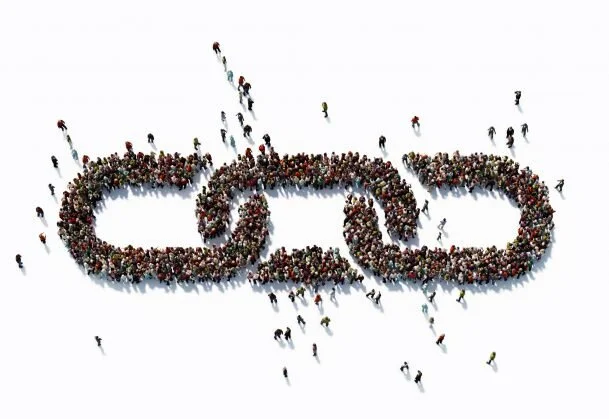
For six months I’ve been part of a group that has occupied itself with how to build a structure of belonging in a world of alienation. I participate, but most of the time I remain silent and learn. It’s been revealing and things have emerged that have been revolutionary in their own way. It’s one thing to have an identity, a cause, a belief, a plan, but if you can’t build that into some kind of structure, then you remain a voice in the wilderness – frustrated and confused over time as things haven’t worked out.
Sigmund Freud said many astounding things in his lifetime, but one profound statement might be of help here. “The first human who hurled an insult instead of a stone was the founder of civilization.” It took me a bit to come to terms with the meaning, but it is clear: an insult is not as damaging as a stone and the moment someone makes that choice society – civilization - begins to progress.
The problem for us now is that insults are everywhere and severely damaging to both the individual and collective spirit. And this brings us to another meaningful premise: if our activism is formed out of ideals, it is both useful and productive, but if continually motivated by anger it will become mutually and individually destructive.
I actually think that society overall is beginning to understand this better. One of the things all of us have discovered in the group is that we have all be burned, and burnt out, by social media. We’re all mature and understand the delight of offering support or showing a photo of a loved one on her birthday online, but the frontier vigilantism frequently cast about on the Internet can be devastating. This affects us and over time we cut back on our screen time or delete apps like Twitter or Facebook altogether.
It is intriguing that those who choose to come together every week age from teenagers to seniors, and that all of them, regardless of their online proficiencies have grown exhausted by the social media experience and crave for something more kinetic, more human, fairer and empathetic. They have come to understand that they require others if they wish to start building community and that gathering together is the best way to achieve it.
This is why institutions have been so important in the past. To be sure, they have proved glacial in progress and insensitive to new realities, but they helped to round off the hard edges of human nature as people had to work together to assemble a product, get an education or get anything else significant accomplished. In other words, they were thrust together for something that was beyond them and had to work together to achieve goals.
This shift in communication from just online activity to both digital and physical contact could well be the kernel of transformation that modern society will require to offset the polarizing politics and an alienating globalization we encounter on a daily basis. Was it not always true that citizens discovered their own power for change when they found new ways of coming together and sharing their challenges? It is just such an act of gathering for common interest as opposed to singular pursuit that has formed the most lasting and creative change.
The group has had to learn to change its conversation from threatening to welcoming, from expressing sides to sharing silence, from battling to building, and from hubris to honesty. That is no small feat, but given our modern pressures, it hasn’t proved easy. We have had to design an emotional and intellectual place that supports community because that has always been the core intent. It is citizenship in the rough but also on the move.
The entire experience of the past number of months has reminded me that the ability to actually understand what we already know, to discern what we already see, and truly listen to what we already hear, is what I believed democracy was about, and what it was for, in the first place. It has been the community that I had idealized and longed for in my youth, back before everything became so jaded and jarring. It hasn’t been easy, but neither has it proved unfruitful. It is democracy as community and not just agendas.
My mind embraces once more the African proverb my wife Jane frequently repeats in her speeches: “If you want to go quickly, go alone. If you want to go far, go together.” It turns out that we have gone to fast alone and have been burned out as a result. Better to go together, offering mutual support along the way, a moving closer to our collective dreams as a result.