
How Our Hubris Diminishes Us
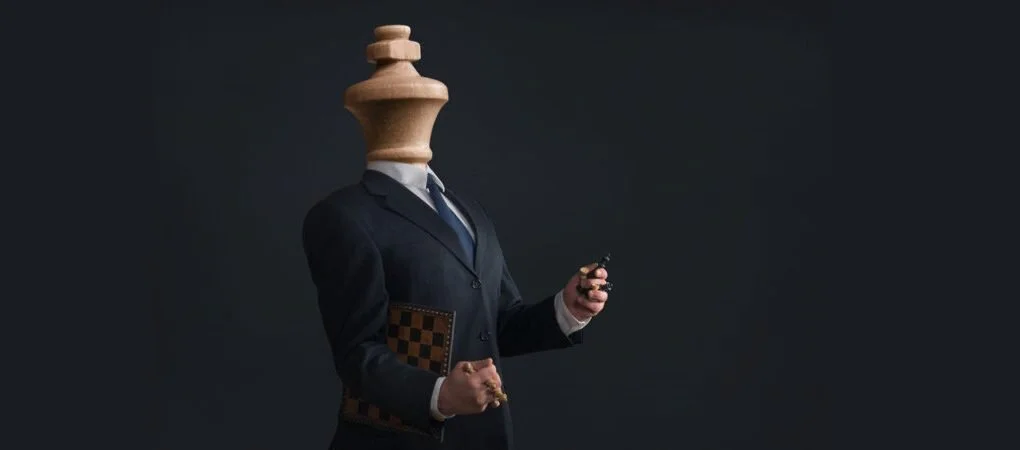
The wings of Icarus melted because of it. Failed empires overreached because they couldn’t shake it. Careers and lives have been destroyed by it. And in a recent article by former CNN producer and columnist, Freda Ghitas, Donald Trump is about to be brought down by it.
The reality is, however, that most of us are plagued by it to one degree or another.
It’s called hubris – and ancient Greek term, picked up and first used in English in 1884. The dictionary describes it as “possessing foolish pride or dangerous overconfidence.” It was once solely a tool of literature but has comes to describe what the American Psychological Association describes as those, “Hungry for Praise.”
The Greeks thought of hubris as a dangerous character flaw that led individuals to seek the attention of others and the tendency to think too highly of themselves. If the practice continued, it was a cancer that would eventually offend the gods, who would turn such a life into a tragedy.
I recently finished reading a book on the essence of human dignity, written by a psychologist who believes the highly individualistic nature of our modern lives has lifted us from being part of a more collective kind of living and turned us into creatures that feel more isolated and yet still seek the approval of others. That driving penchant is over-indulged by use of social media and the constant desire for followers and Facebook friends.
It all ends up placing us in a vulnerable position, where we grow discouraged and alone if others don’t respond to us online, or egos become inflated beyond all reality if our followers increase. Eventually, it means that our personal dignity is no longer ours to develop and enrich, but exists in the attentions of others we barely know or who have little real care for us.
Ghitis writes about Trump’s constant retweeting of favourable comments about him from his millions of fans and how he constantly needs such adulation and feeds off it. The sense of superiority it gives him is both distorted and damaging to himself and others because the sense of superiority he gets causes him to constantly seek to criticize and belittle others as proof of his genius.
Social media is full of this practice by average people who get a similar sense of subtle superiority by relentlessly criticizing others online. Were they part of a productive team in a business, members of a service club, or any other group where a positive sense of propriety and respect was required for the group to function, the constant criticisms would eventually break up the unit or result in isolation. This broader effect is seen in modern civil society, where the unspoken hegemony that once held societies together is evaporated and countless divisions take its place.
Robert Noyce, the founder of Intel, has come to be called the “Father of Silicon Valley” and he has some thoughts on the subject of hubris. He has grown troubled as his technology has been used to superficially elevate the self-importance of those on social media. It has turned everyone into supposed activists and experts, who, in fact, live their lives on the periphery and rarely have their views modified by either experience or other views. “There is a sweet spot between hubris and humility that is the key to greatness,” he notes, and he’s worried people are passing over the spot without ever landing on it.
Humility is all about how we communicate what we know and feel. It permits us to voice our beliefs and opinions, but in a way that neither deprecates nor belittles. It seeks commonality while at the same time adding its own uniqueness. This is what Noyce had hoped to create but which falls increasingly out of reach on the Internet. Perhaps that will change over time. For now, however, the privilege of staying isolated from others has permitted us anonymity and the expression of views without a larger context. It’s called hubris and it’s killing our collective aspirations.