
The Madness That is Brexit
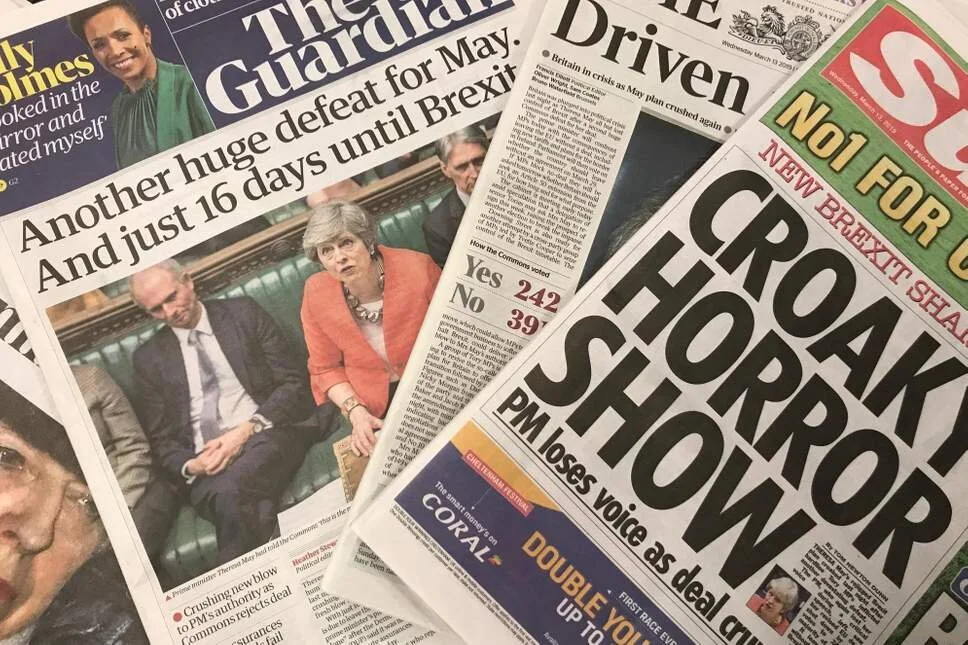
Watching the mayhem of this week's Brexit wrangling in the British Parliament is one of the most confusing political spectacles one can possibly witness. There is so much anger, so many words, so many opinions, and after all of it, people are more perplexed than ever – even the British politicians themselves.
From the beginning, it was all just a hodgepodge – a gangling group of initiatives so loosely put together that the agenda never was really clear. The government, sensing a brooding populace that was upset with too many foreigners, so many resentments and fears for their future, used all of that disruption to hastily push through a plan that was about to pull Britain this way and that and make everyone just feel worse.
There was a lot of anger at the European Union, amidst claims that it was strangling Britain's potential and bringing it to ruin. Except it wasn't true. Britain had been in serious economic hardship when it first joined the EU (then called the EEC) in 1973. Membership had its privileges and conditions began to change. Gaining access to the largest joined economy in the world enabled successive British governments to build on repeated successes. Travel was easier and opportunities for employment grew. The access to the best foods and wines and goods was unprecedented. And the money for huge infrastructure projects helped to get the country moving again.
And then it all changed – dramatically. As with other nations, the presence of tens of thousands of refugees across the Channel gave rise to a new wave of populism – the kind not based on fact but fear. There were legitimate concerns about decisions being made in Brussels that could adversely affect the British people, but most of the resentment was driven by illusion. Britain had problems, but, like America, the bulk of them were internal.
Sensing the disruptive move, certain political leaders and parties went to work to fan the flames of fear. It was a teeming brew of little evidence, heaping teaspoons of prejudice, and the kind of NIMBYism that can destroy nations, not just communities.
What the leaders came up with was an agenda to fan the flames, not extinguish them. A fiction gave way to a nationalistic narrative that was eerily similar to Donald Trump's wall. Brexit didn't have to be based on evidence; the important thing was to be seen to be doing something. Well, they did it and now the political class is being undone.
It became easier to believe that the EU was the problem – the enemy – leaving the real internal problems unaddressed. Its real predicament began after the financial crisis of 2008 when it failed to manage the economic crisis effectively. It bailed out the banks, letting them off the hook of accountability. The wealthy got even richer, the fate of the poor became more meagre, and the rest grew stagnant. These weren't decisions of the EU but of Britain's own parliamentary democracy. Leaders couldn't blame themselves, so they looked across the Channel and found a scapegoat.
It worked for a time – a few months really, maybe a year. Then it all began unravelling. People began wondering what Brexit was really about and if it was truly necessary. They didn't trust their politicians anymore and since it was a political construct, they began to doubt Brexit as well. And now it has all become folly. The leaders of British democracy and the Mother of Parliaments, in proposing empty agendas, stoking populism and turning on the broader world, reduced the nation's reputation for order, debate and balance into a mockery.
And what has Britain got since Brexit was first announced? Its economy is in a tailspin. Hope is fleeting. Unemployment is soaring. And worst of all, British politics – so rowdy yet stable – is dissembling. The move to leave the EU has only exacerbated the nation's internal problems and now it appears that the majority of people want to either get out of Brexit or hold a new referendum on it. All that energy. All the fervour and anger. All that false hope. All that political organization. All of it, for this.
This isn't about who is wrong and who is right on Brexit. It's about a political and democratic debacle manufactured and pasted together out of insecurity, hastiness and poor judgment. It was how the entire affair was handled and not the merits of the deal itself that is the problem. The nation felt itself in decline and the ruling classes knew they were being blamed for it – especially following the Great Recession – and so they tried to get the populace to focus on the EU as the culprit in order to take attention of their own lack of productivity. Well, now they are in a world of hurt and guess who is getting blamed? It was an untidy, hasty, drummed-up ruse that didn't work.
The good people of Britain are exhausted – in this at least they are united. Democracy was never meant to be easy and the cost of citizenship is frequently high. But not this – not this way. Putting all these pieces back together again will take years.