
Pandemic to Endemic
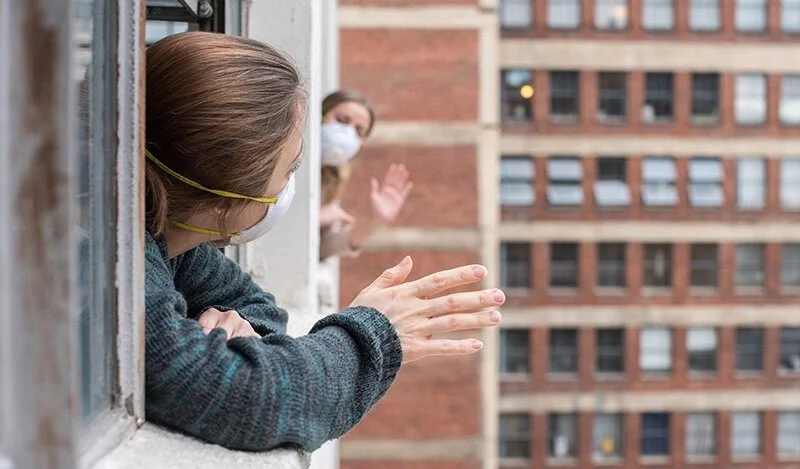
Except for some hot spots across the country, Canadians are at last beginning to sense that the COVID scourge might be waning. And a curse it has been, having crippled our lifestyles for almost two years, flattened our economy and challenging our collective mental health. It’s been a battle, the kind which this generation has never encountered, and it’s left us not quite ourselves. Our past seems confusing, and our future is unclear.
At some point, COVID will abate. Pandemics always do. Some definitions might be helpful. An epidemic is a disease that affects large swaths of people in a particular population. A pandemic is an epidemic that travels through many countries, and something endemic strikes only a certain amount of people in a country. It feels as though the pandemic is slowly giving way to a disease that’s endemic. That’s still difficult, but it does permit us to feel a bit more open and hopeful.
However, it does mean that we’ll have to live with it, as we do with the annual flu. But it will stick around and morph, remaining the most dangerous to the elderly and the vulnerable. We’ll continue to hear and learn of it, but not to the extent we have in the last two years.
None of this means that it will be easy, however. There will always remain those who wish to deny it, to spread false truth as far and wide on the internet as they can, and who will seek to thwart any public policy effort at remediation. Institutions will remain divided, at least in the near future, and people will still perish from the endemic.
This aspect has remained so confounding about this particular pandemic as opposed to, say, the Great Flu outbreak that killed almost 80 million following World War One. They didn’t have the science then as we do now, but people were more institutional and came together quickly to thwart the spread. Citizens are less institutional today, choosing to live their lives primarily on social media. This reality has isolated people more from one another than at any time in our history. Therefore, the ability to come together, despite all the modern methods of communication, has fallen apart in the last two decades. That makes collection action far more complex.
And while we debate vaccines among the citizenry, regions like Latin American continue to be devastated by the virus. America has just destroyed millions of COVID vaccines this week because they are outdated and couldn’t get distributed to those that didn’t want them. The differences those vaccines could have made in regions like the Caribbean could have been enormous. Still, our inability to come together in wealthier countries has meant devastation among poorer nations.
This perhaps represents the most significant threat COVID has levelled on our nations. Instead of bringing us together as a substantial threat would, it magnified our levels of independence and undermined our collective hegemony. Many never expected such divisions two years ago when the pandemic began, but it is present among us now, affecting everything from our political realities to our family lives. Regardless of the degree to which it dissipates, COVID has already left its devastating legacy among us – not just in matters of health but in our sociability and ability to rebuild as modern societies. Worst of all, that legacy is not yet over.
