
Food Prices Will Continue to Rise
It’s been no secret during this pandemic that the cost of food is rising and the timing hasn’t been good. Canadian food prices will increase by three to five per cent this year according to numerous university studies. Meats and vegetables will see the biggest climb, while bakery goods aren’t far behind. This was already part of the reason people were resorting to food banks and demand will surely go up.
But there’s lots more news about food and on the global food supply side, the narrative isn’t a good one.
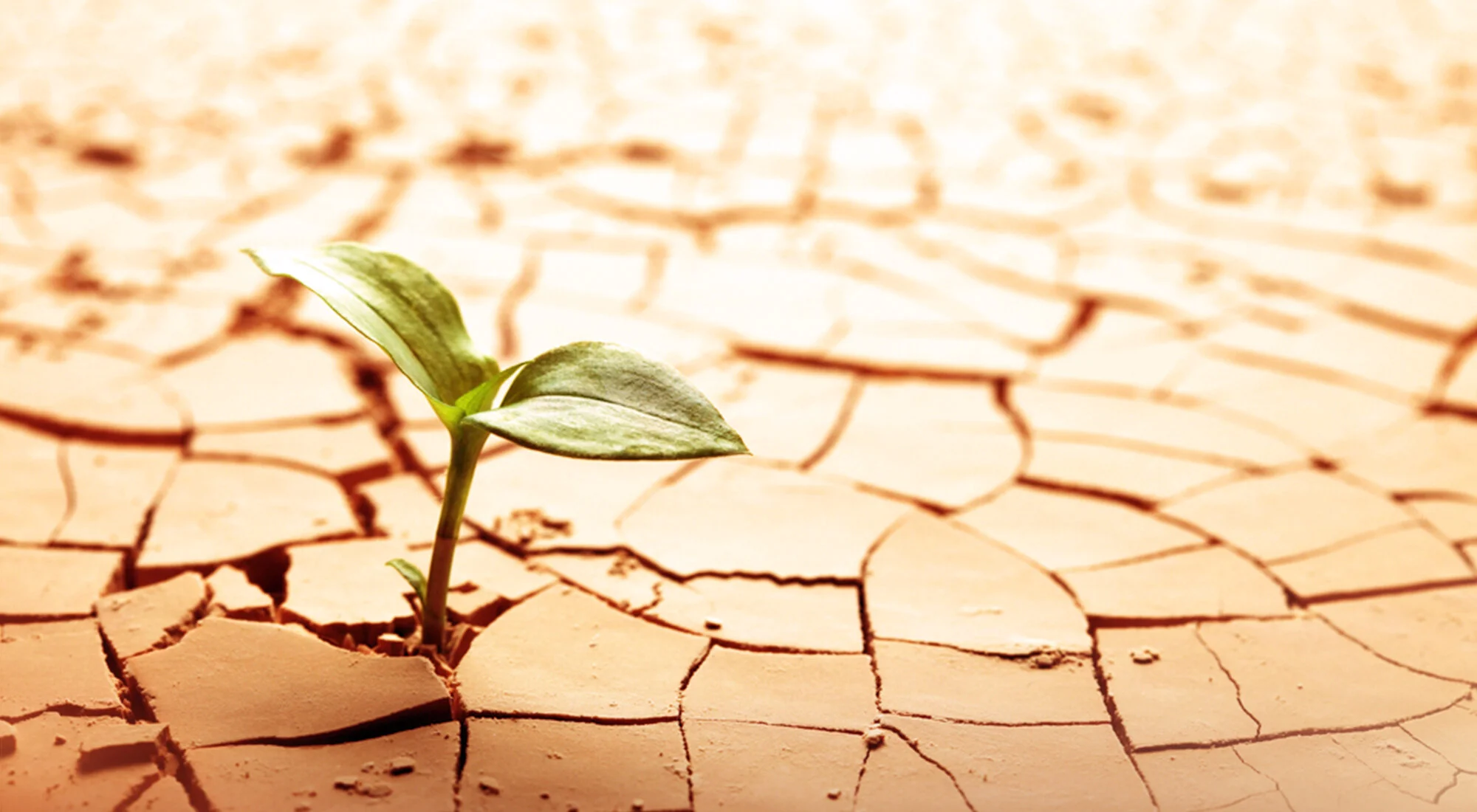
Globally, farmers are growing 20% less food due to the ravages of climate change, such as shifts in weather patterns, drought and floods. In warmer regions, like Africa, the Caribbean and Latin America, the growing of food is but a third of what it could be. The poorer yield is also leaving farmers in endangered areas in more tenuous situations economically. The modern phenomenon of farmers in poorer regions pulling themselves out of poverty because of increased food demand could, in fact, start reversing.
The world is moving into a growing crisis. In 30 years, global population will be 10 billion people. That means demand will greatly increase while food supplies continue in their decline – an untenable predicament.
It wasn’t all that long ago that hybrid crops, improved irrigation, and better pesticides created predictions of a renaissance in food production globally. While these advancements are occurring, they in no way can keep pace with the devastation that environmental damage has created at the same time. The growing difference will create a growing demand/supply gap eventually.
The loss of soil biodiversity, grasslands, forest, seagrass beds and the overfishing of one third of food supplies is becoming untenable. Some 17% of bat and bird species are moving quickly towards extinction, as is the global bee population. The United Nations has warned repeatedly in recent years that it will be the poorer countries of the world, from where much of the global food supply emerges, will face the harshest conditions through such changes. As Julie Belanger, coordinator of the most recent UN report on the global food challenge put it:
“The supermarkets are full of food, but it is mostly imports from other countries and there are not many varieties. The reliance on a small number of species means they are more susceptible to disease outbreaks and climate change. It renders food production less resilient,”
Covid-19 effectively reminded us of just how vulnerable the global food supply chain can become in quick fashion. Add to that sudden emergencies in the transportation hubs of these supplies through a virus or a blockage of the Suez Canal, and it becomes clearer that both the production and delivery of the foodstuffs we enjoy each day are in a state of growing risk.
And here we thought only two decades ago that global production of huge varieties of foods, grown elsewhere and delivered to our cities in timely fashion, was the way of the future. To a degree it was, but the methods of such growth and delivery ran contrary to the requirements of a sustainable planet – the present crowded out the future.
Canadians will soon enough face this reality through the rise of food prices in subsequent years. This will put even greater strains on food banks and access to affordable food for those suffering from low-income. It seems that regardless of the health or failings of our global economy, that the challenge of climate change, unless properly addressed, will create food shortages in the best or worst of economic times.