
1918 All Over Again?
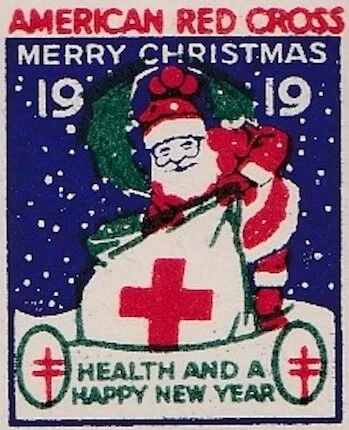
In the final month of 1918, over century ago, the Ohio State Journal published a strange warning: “Beware the Mistletoe.” The flu that had been going around, which everyone considered to be normal each winter, was turning out to be something different – totally different. The dots were being joined together and it was becoming clear that what people were contracting was a global epidemic, faced in every part of the world, and turning out to be far more deadly than the typical seasonal flu challenge. Christmas 1918 was imminent and the Journal closed off with a challenge:
“You will show your love for your dad and mother, brother, sister and the rest of ‘em best this year by sticking to your own home instead of paying annual Christmas visits, holding family reunions and parties generally.”
Readers overall heeded the challenge. But those were different days. One hundred years ago the trust and confidence in institutions, like banks, hospitals, doctors, universities, even government was abnormally high because of the recently-concluded World War One. Uncertainty had been everywhere for years and people were inclined to seek stability. Their world had been falling apart and they innately knew that collective trust was in order. They didn’t know it in Christmas of 1918, but the worst of the pandemic had now passed and they needed to start planning for a different future.
Like today, there was some pushback when it came to masks. They weren’t normal, felt uncomfortable and uncertainty remained about their efficacy. It was an age before strong central governments had emerged and local authorities still carried the most weight. This made for a varied response to the epidemic when it arrived and local solutions, or protests against those solutions, became the favoured option.
People around the world relaxed their pandemic cautions as Christmas arrived. The result was an increase in levels in January. New restrictions were enacted. Business and churches especially struggled during this time, unable to carry out their regular activities.
One of the realities rarely mentioned was the psyche of the global population that was just emerging from the greatest war in history with the highest casualty rate in history. Millions perished, millions more maimed for life. Families had been separated for years and were only just considering the chances of regathering once the troops came home. To be asked to tarry longer in that forced isolation would have been emotionally painful.
Perhaps the greatest difference between then and now was that the 1918 pandemic very rarely became political. Opposition parties and governments alike were lost in the mystery of pandemic, frightening by its power and consequences and willing to work together. They were also exhausting for four years of war. Public health systems in most industrial nations were strengthened as a result, and much of the insightful research facilities of today found their origins as a result of the 1918 pandemic, as governments sought to provide better protections for their citizens and institutions.
Today, politics seems to occupy every space, sucks the oxygen out of every room, and makes the public suspicious of any kind of political action, resulting in millions around the globe distrusting any recommendation that they socially distance, wear masks, take the vaccinations, or cooperate in post-pandemic measures. In 1918 it was the flu; today, it’s COVID’s19 – invisible viruses that have, in their time, revealed the dramatic differences in citizens and organizations of both eras. The new world order established after the lessons learned in 1918 paved the way for the modern health movement. Will that be repeated once COVID fades. At present, signs aren’t hopeful.