
Are We Ready for the New Post-Covid World?
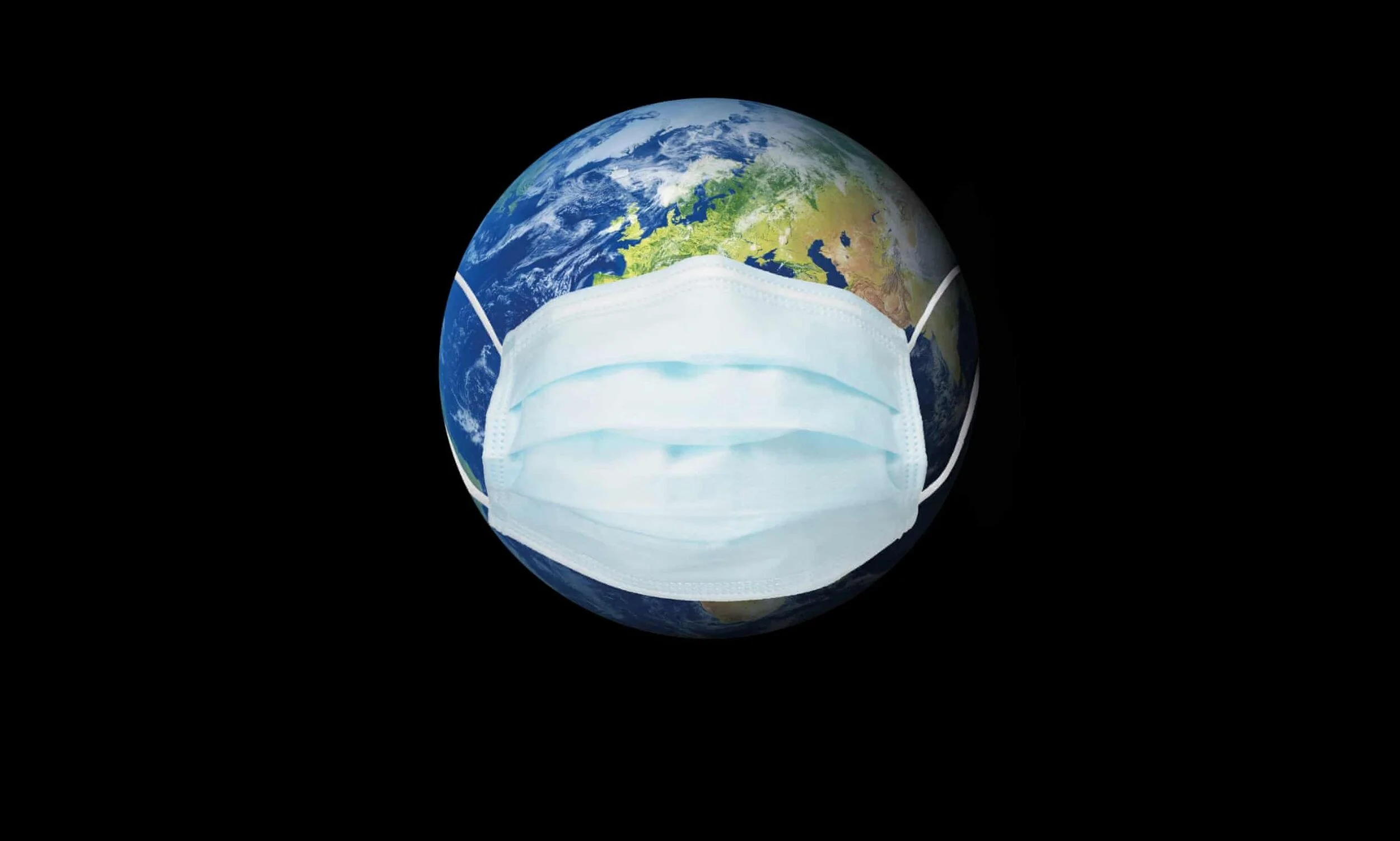
The desire for a different kind of future following the COVID threat around the world caused many to dream of something different, some kind of way to revisit how we lived and how to become more sustainable, equitable, and sharing. But it will take more that hoping; only sacrifice on a significant scale can overcome the inherent societal and economic interests revealed by the pandemic. The big question is whether citizens are willing to sacrifice to the degree required to reset the course of humanity.
We have grown accustomed to affluence and material expectations for the decades since World War Two that it’s not necessarily a sure thing that we have the willing ability to show that we can dig deep like that again. We’ll find out soon enough if we’re up for it.
COVID-19 is now costing almost as much as the Second World War and there is no sign that it’s abating. But we are different kinds of citizens than those who endured that era. Death was everywhere, as six years of conflict rattled populations around the globe. Governments, like today, struggled to keep the world together and moving economically. But it was the sacrifice that average citizens made that was truly remarkable.
Families grew gardens like never before and rationed what they consumed so as to ensure enough supplies to those fighting on the front lines. Production plants were shut down for just weeks, recalibrated for wartime construction, and opened again with remarkable capacity. It was a global conflict that required global sacrifice in ways that we haven’t even touched at present, even though the threat of a pandemic is global in reach.
Overall, governments have done an adequate job in economically getting us through the crisis. The trouble is that the money they are spreading out in generous measure is money diverted from future generations. Some focus on the stock markets, as though they are true indicator of how we’re faring in this year of the pandemic. Sadly, the market is only loosely connected to the tasks before us. It is for those who have millions and billions to play around with investments. The vast majority of Canadians have yet to pay off their mortgages. Millions are unemployed or in poverty, along with thousands of homeless.
We have become so distracted by our present challenges that the impetus for real change continues to get lost due to all our present turmoil. We hang on to the hope of a vaccine and perhaps then consider new ways forward. It will be too late. The economy itself, though not shattered, will never be the same. Therefore, it will be up to us – citizens – to sacrifice enough to rebuild our communities, to support effective environmental reforms, to pay a living wage, effectively pay down our accumulated pandemic debt, and to ensure that this crisis not be permitted to continue to hurt the prospects and supports for women who, up until now, have suffered disproportionality compared to their male counterparts.
We have turned into a generation hoping for a vaccine as opposed to creating a new world. Our standard way of life prior to COVID-19 had little to offer in the way of solving homelessness, climate change, democratic renewal, the rebuilding of infrastructure and cities, proper pay equity and living wages. Are we any closer to solving them at present? The answer is no. We might be farther away than ever.
It isn’t enough to show discipline in how we socially distance, donate to charities, follow public health directions and carefully manage school re-openings. We must sacrifice even more of our present to provide the next generation the opportunity to solve those global issues that still assail us. We have become saturated with material goods, think too little of climate change, and view our democracy with something of a distain. We are a nation that has somehow confused wealth with standard of living. The difference between these two realities is now acute.
Wealth is what people individual possess, but standard of living is what we all share. There’s a difference and we have spent decades rewarding the first while taking aware from the latter. Wealth has become something people squirrel away, frequently to avoid pitching in to the public estate. Standard of living is what we all have in common and which we all share in nurturing.
What we have now is a hodgepodge of financial dealings impossible to manage and which has become inequitable. Though we socially distance during COVID, we can still begin sacrificing and prioritizing for a better way of life. The information dispensed on economic matters is so plentiful and obtuse that we really don’t understand it at all. Whichever way we look, we find new financial indexes, fluctuating shared prices, size of debts or deficits, interest rates, GNP and GDP. By getting lost in it all, we have lost the control of the future standard of living for our children.
Edith Mally wrote about this decades ago in a poem, when she warned we were losing our way:
Upon this gifted age, in its dark hour,
Falls from the sky, a meteoric shower of facts …
They lie unquestioned, uncombined,
Wisdom enough to teach us of our ill.
It’s daily spun, but there exists no loom
To weave it into fabric.
We are confounded with data about finances and economies, at the same time as we are confronting a pandemic. It is time to retrace our steps and get back to a world of sustainability and equity. The problem isn’t COVID, it the loss of tomorrow’s potential.