
As Darkness Falls
"Facebook, you were on the wrong side of history on that, and you are on the wrong side of history in this.”
In these few words, journalist Carole Cadwalladr used the medium of TED Talks to call out the “gods of Silicon Valley” for ruining democracy. She spoke to them directly. It was stark, courageous and absolutely the right thing to do. She had seen too much and her deeper sense of morality was erupting.
Cadwalladr came by her assessment honestly, having been a Pulitzer Prize finalist for her investigative work on the Cambridge Analytica scandal. Everywhere she looked, the writer found misinformation and outright lies manifested on social media platforms. She recounted how she returned to her home town in Wales shortly after Brexit and found everything surreal. These were people she knew for her entire life and yet they were living in some other kind of reality. The town had new lease on life thanks to infrastructure funded by the European Union, yet everyone she talked said the EU had done nothing for them. The locals were full of anxiety regarding the threat of immigrants even though the town had one of the lowest rates of immigration in the entire country.
It didn’t take her long before she realized that Facebook had done a number on her home town. It had been targeted with Facebook ads by the pro-Brexit campaign, the organizers of which were eventually found to have violated election laws. Not only that, the neighbourhoods had been flooded with fake news and falsehoods. And yet somehow the locals never understood that they had been duped. Months and years of filter bubbles would do that to any community.
She realized how difficult it was to fight such an insurgence of skewed information. When Facebook had discovered what she was about to publish on the Cambridge Analytica practices, it threatened to sue her and the publicist. But they had experienced enough of the bully treatment and decided to go ahead anyway. They had already arrived at the conclusion that the social media platforms, like Facebook and Twitter, knew they were killing democracy but forged ahead anyway for the sake of wealth and dominance. In the Ted Talks, she reminds her viewers that Facebook CEO Mark Zuckerberg had been requested to face the music before a number of parliaments around the world but that he had simply refused because – well, he just could. He was too big to fail, or effectively fine, or break up.
At one point, Cadwalladr spoke directly to the barons of Silicon Valley and put everything on the table:
“This technology you have invented has been amazing, but now it’s a crime scene, and you have the evidence. It is not enough to say that you will do better in the future, because to have any hope of stopping this from happening again, we have to know the past … Liberal democracy is broken. This is not democracy. Spreading lies in darkness, paid for with illegal cash from God knows where – it’s subversion, and you are accessories to it.”
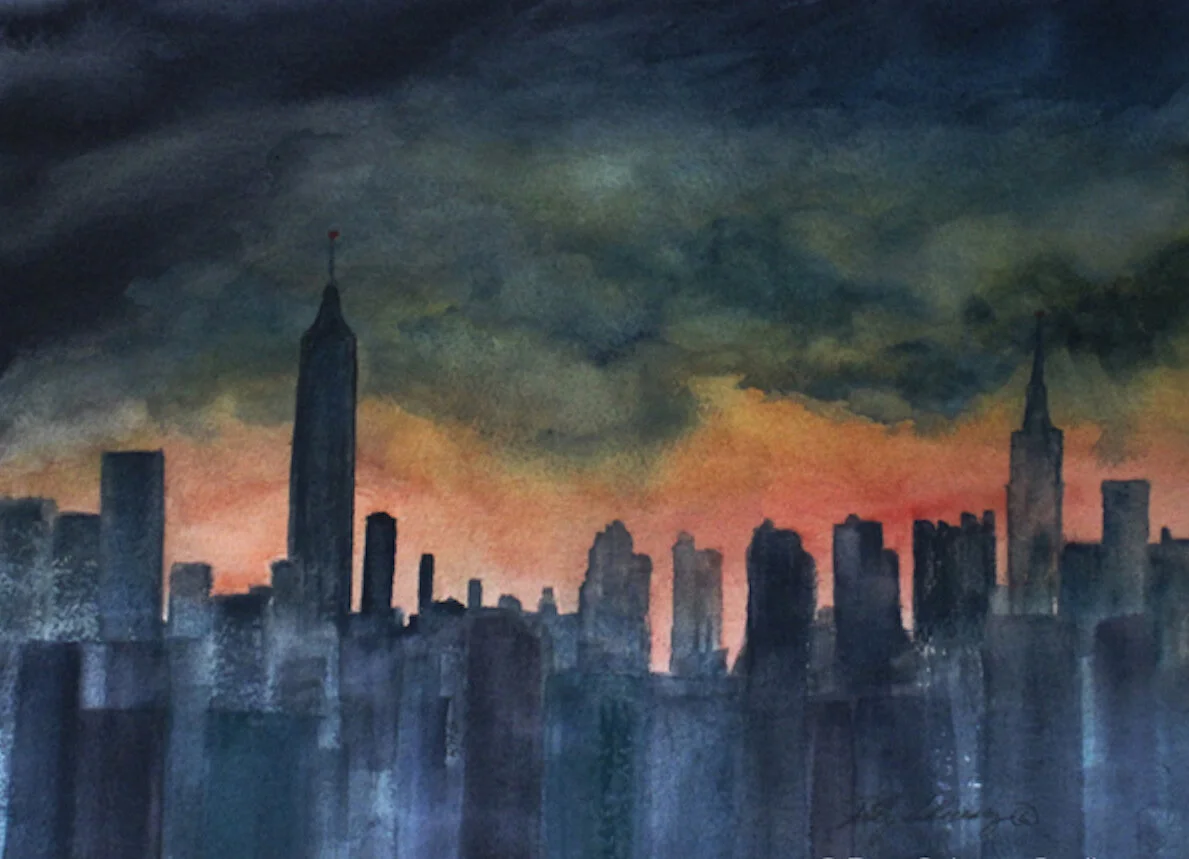
But then comes the real problem and she names it: “And for those of us who don’t run giant technology platforms, my question to everybody else is: Is this what we want? To let them get away with it, and to sit back and play with our phones as this darkness falls?” She’s talking about me here, and millions of others just like me. Why do I stay on Facebook after knowing all this?
Earlier this year, I transferred my published books from Amazon to the Canadian firm KOBO because of the monopolizing nature of Amazon’s dealings and it felt good. Why not leave Facebook, too? I’ve been asking myself that question for months, like many others I know?
I’m aware that my privacy is likely being used without my knowledge and, worse, it permits itself to be utilized in ways that twists knowledge, narrows the scope of understanding, ruins politics and permits veiled hatred. Does all that likely outweigh the immediacy and ease of its use? It probably does, and that reality alone troubles me about my choices.
Jaron Lanier, who initially coined the phrase “virtual reality,” is a computer genius, author and thinker. He recently warned students in Santa Cruz about the perils of using social media as a means for networking. Intriguingly, he warned them especially of Facebook and Twitter and how they are inherently structured to trigger a “fight or flight” reaction in their followers and how such use is destabilizing modern society. Like Cadwalladr, he sounded the alarm: “Facebook is destroying democracy. I’m really concerned that it is going to kill all the democratic governments before we have a chance to regulate it
The trouble is that Facebook and Twitter, among others, know this already and continue their closed practices,- they don't care. As Lanier added: “We’ve created a world in which anytime two people connect online it’s financed by a third person who believes they can manipulate the first two.”
Is our use of such platforms worth the alienation and soul-killing effects on us and our democracy? It’s a question many of us who care about humanity and our community are now asking. And I admit it: I’m stuck.