
What We Still Can Be
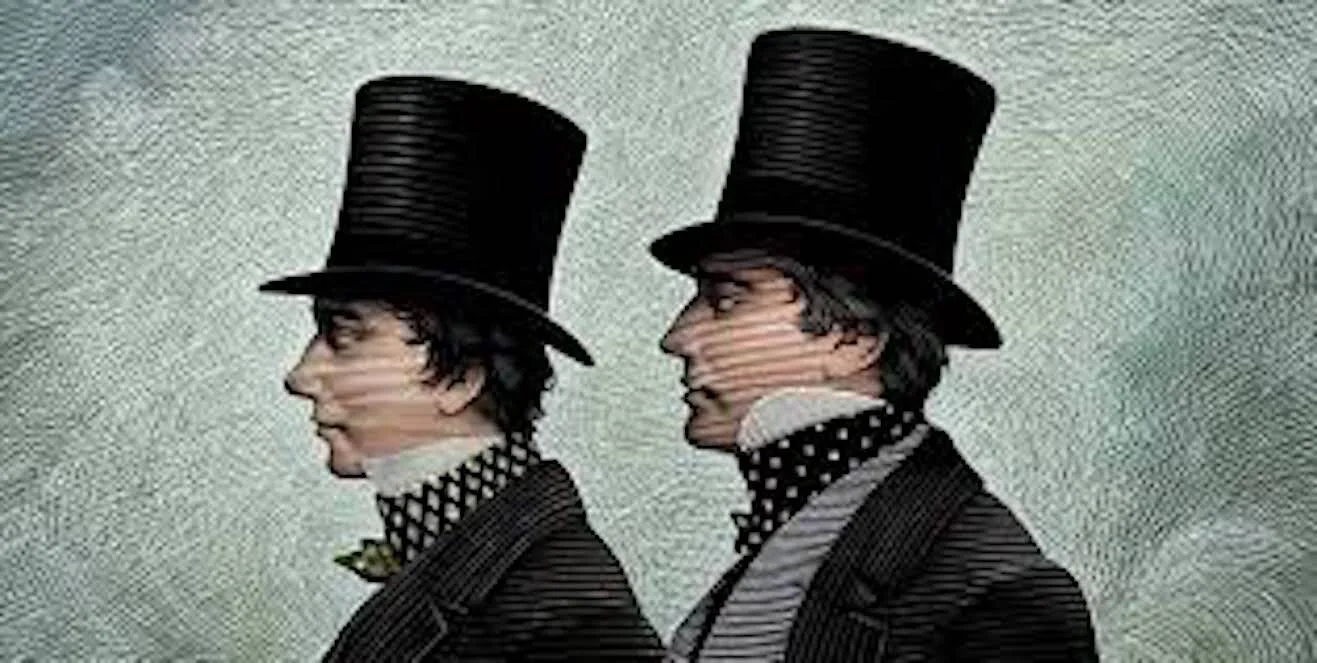
It was just proving so difficult to bring early Canadians together with all of the country's disparate parts. Though there were elections and people got to choose their representatives, the British-appointed governor (Lord Elgin) had the right to choose the cabinet, dismiss people from office at will, and veto any legislation he deemed inappropriate. There was Lower Canada (Quebec) and Upper Canada (the rest) and there was just no way the factions were going to get it together. The French saw Upper Canada as secular upper-crust snobs, while the British viewed Quebec as a backward, church-ridden wasteland. Whatever government was in charge only stagnated amongst all the anger and divisions.
When the new parliament assembled in Montreal in 1848, the leaders of both Canadas – Robert Baldwin (Upper) and Louis LaFontaine (Lower) – both comprehended that if their country was ever to get over their divisions, they would have to make it more independent and begin moving it away from a British colonial protectorate.
It was Baldwin that made the first move. He rose and insisted that the new speaker of the assembly be fluent in both languages – French and English. And then Fontaine stood and seconded the motion. The motion carried and the assembly erupted. For the first time, the two factions had cooperated in an attempt to form a more universal political system.
Back in Quebec, however, people saw Fontaine as a "sell-out" and he was barred from the Lower Canada assembly. All seemed lost. And then Baldwin did something remarkable, unprecedented. He brought Fontaine to Toronto (York) and presented him as a candidate in the next election. Fontaine accepted and eventually won. A move so powerfully symbolic couldn't go unnoticed and the two leaders began the process of unifying the country.
But there were those now upset with Baldwin and he subsequently lost his seat. In that moment, Fontaine assisted his friend by helping him win a seat in Quebec (Rimouski). Now there was a unified government, co-led by a leader from Upper Canada who had a seat in Quebec and a leader from Quebec who held his seat in Toronto. It is hard to overestimate just how pivotal that partnership became to the future of Canada.
Canada is veering toward becoming a divided nation once more – French and English, West and East, elites and citizens, the rich and the poor, the domestic and the global. But we aren't alone. At the time of this post, Brexit is tearing Britain apart, the conclusion of the Mueller report in America has divided it more than ever, France is facing riots and Germany is dealing with racism and hatred.
The sight of the political parties warring in Ottawa, along with some of our provinces becoming more divided, reminds us that Canada will ever be struggling with healing its wounds, overcoming its divisions, and transcending the present for the future. Yet Baldwin and Fontaine remind us again and again that the reason they were so effective was that they believed that a responsible government was far more important to achieve that whichever political party gains the upper hand of power. In fact, history came to term the Fontaine-Baldwin years as the "Great Ministry" and, for years at least, their story became legendary, until the present age, with all its technology, persuaded us to concentrate on the present and forego our past.
This wasn't some sentimental effort by LaFontaine and Baldwin to overcome a problem. Its accomplishments included establishing a public school system, the founding of the University of Toronto and the opening the door for others to follow, the establishment of municipal governments, and a healing between people and cultures that had proved so impossible during the Colonial era. This ability is still in our DNA as Canadians. First, it was in our history and now it is in us. We are a peaceful people who are permitting divisive and identity politics to attempt to tear us apart. Innovative compromise still lives in us and now is the time for us to produce our own peaceful history for the Canadians of tomorrow.