
With Covid, the Implications for the Economic Classes are Enormous
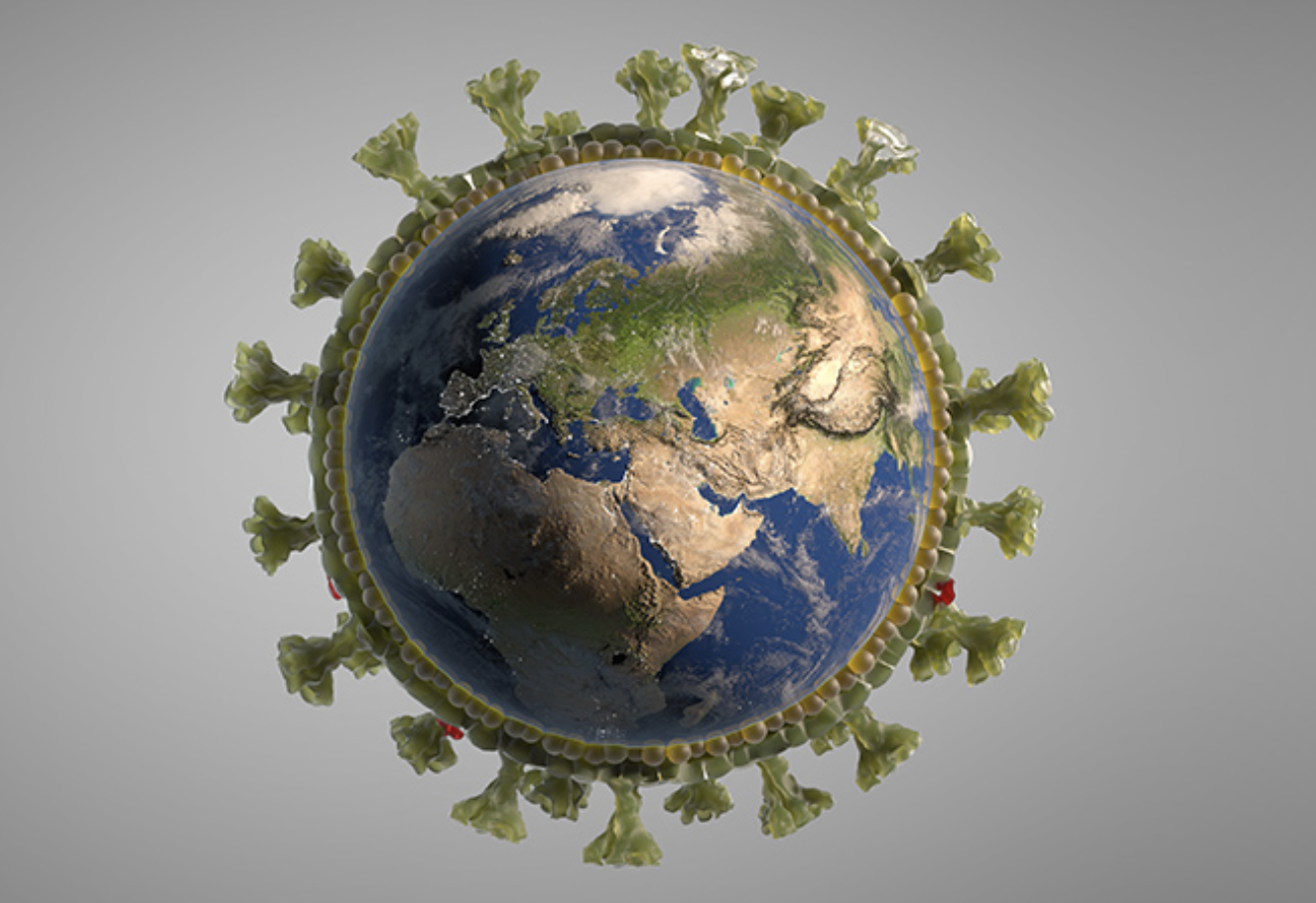
Here’s a link to an animated graphic that caught my attention yesterday. It’s something we’ve known for decades, but just the movement of the line graph somehow makes things appear more stark.
It’s why the world has been undergoing a seismic shift for a long time. In fact, it encapsulates my own timeline, beginning in the year I was born (1950) and moving down to the present. It represents the great trade-off we all made without really realizing it. The graphic depicts the age of globalization – that time when the world became more connected in commerce than any point in history. We permitted corporate profits in exchange for cheaper goods. In the process we lost our way as a civilized society.
Really, it tells us where wealth journeyed – away from governments and citizens and towards global capital, where trillions of yen, mark, euro, pound and rand were sequestered away, out of reach and increasingly out of touch. It was that era where the growing divide took place between the market and the real economy.
It’s as if we have concluded that the stock market represents the real picture of where economies are situated. It doesn’t, and it shouldn’t.
We’ve been through it before. Economic downturns result in wild market swings and citizens swung right along with them. And now we are being told that the stock market will be okay. It will rally and all will be right again.
Except that it never was. Yes, while wealth accumulated at fantastic rates, it all inevitably resulted the loss of productive employment, environmental ruin, and the erosion of the middle class. It’s a pattern we permitted and supported for decades and inevitably resulted in a lack of confidence, an addiction to materialism and, inevitably, political turmoil.
COVID-19 is now threatening to change all that. In a sign of just how fragile everything is, one virus that can only be seen in a microscope has brought the global economy to its knees. Some are already warning of outbreaks of class warfare in the near future. Let’s consider what is happening to those economic classes.
The upper class – business models – national and international – are already changing and adapting. This is different than any other crisis and the various levels of elites know it. They stand to lose billions and wealth accumulated over years can be lost in minutes. The collapse in the global economy is real. Wealthy nations that previously accounted for some 50% of global GDP are now in lockdown. There are increasing tales of bankruptcies, defaults, straight -out losses, loss of share price, closing of plants, cessation of shipments, selling off of capital items, and the planned cancellations of millions of jobs. The past two recessions saw 10% of accredited firms default. This financial crisis will leave tall hat in the dust. It won’t be apocalyptic, since capitalism has always proved its ability to respond. But it’s how that response plays out that will be devastating. Following every recession comes the inevitable decline in employment, in wages and benefits, and hopes for a more equitable future. The upper class, as protected as it is, is already flailing about in searche of ways to enshrine profits.
The lower class – we’ve been watching this play out for the entire length of the COVID crisis because, in truth, it was already in motion in the years running up to the pandemic. We always knew the reality behind all those low-unemployment numbers was that the nature of the jobs had grown more menial, lower-paying, and with fewer benefits. They were mostly about an expanding service sector with declining expectations. Then there were all those obvious indicators – rises in homelessness, decline in affordable housing, depression, suicides, mental illness, lack of opportunity, food insecurity, and, sadly, inevitable loss of hope. COVID stripped bare the invisible cloak covering these modern ills and we quickly discovered that our most vulnerable citizens were far more vulnerable than believed.
The middle class – this one’s the kicker, since it involves most Canadians. We had grown more materialistic in recent decades, acquiring some of the highest private debt in the world. We were buying bigger homes, bigger cars, bigger trips – bigger everything. And the response to maxed-out credit cares was to increase their limit. Political parties perpetually wrestled for the sweet spot of the middle-class vote, promising ever more breaks in an already under-resourced world. The public economy was trounced by its private counterpart and suddenly we were hearing of decreasing investments in healthcare, pensions, social programs, post-secondary incentives, cutbacks in transfer payments, but that all was still good.
What will COVID-19 do to these three classes? Clearly, it will wreak havoc on each one and force choices that will inevitably involve sacrifice for a more equitable future or merely continuing on in a rich vs. poor world. We are now living the cautionary tale Philip Slater warned us about:
“Our economy is based on spending billions to persuade people that happiness is buying things, and then insisting that the only way to have a viable economy is to make things for people to buy so they’ll have jobs and get enough money to buy things.”
This pandemic will force inevitable decisions upon us, whether to sacrifice and invest or just continue on with business as usual. This is where we require real leadership - in politics, civil society, in economics, science and culture. Our standard version of leaders will no longer do and our lethargic practice of citizenship won’t either.