
The Battle Lines Are Already Drawn
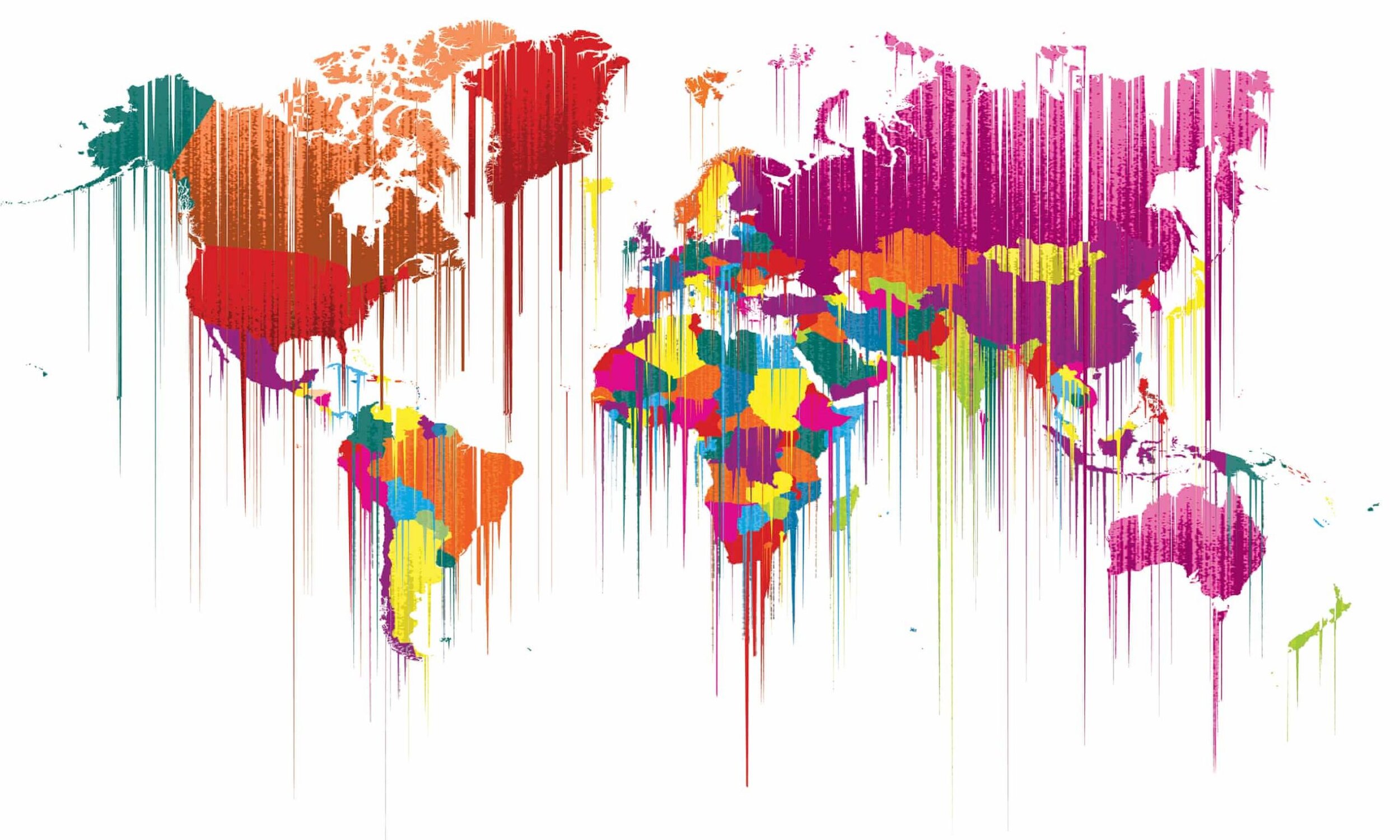
The economic fight for winners and losers in our future, rumbling in the background during COVID-19, are about to emerge. Our present world order was drafted by an ever-expanding globalization and it didn’t worry about painting within the lines. It was a reality that caused many financial observers to call it the “corporate century.”
The entire architecture was huge – an ever-expanding universe in search of more wealth and opportunity for those who could deal in the high-level stakes. Though frequently overlooked, minor players in that enterprise included average middle-class investors who padded their own retirement and pension plans through the purchase of stocks and bonds. Most of us played a part in expanding globalization. Whether by investments or ramped up consumerism, we grew enticed at prospects of making money on money or of pursuing ever cheaper products in a worldwide bazaar.
But there were other prices being paid that we scarcely noticed. Chief among them was the environmental damage that seemed to appear wherever the buyer’s appetite for products landed. This we know, but there were other costs. Our collective private debt began to soar as our hunger for things beyond our means was eased along by cheap credit and low interest rates. We were banking on the hope that this world market binge would simply go on and on. It ends up that we were wrong.
And we failed to notice that we were slowly offloading our public responsibilities and accounts to private interests. It’s a lot of work overseeing the public estate of any nation and it seemed easier to just turn things over to those with global financial interests who were more than happy to alter public policy everywhere in order to achieve their ends. Worse, those same interests eventually suffused politics in general and used their influence to get legislation that permitted them to default on what had previously been a sense of corporate responsibility to the public arena. This open frontier for capitalism expanded with speed and universality until it came to dominate the globe from east to west, north to south.
Then came COVID-19, and everything that all that global wealth was based upon slowed precipitously. It had been used to speed bumps, but this was a brick wall. It lucked out when governments filtered stimulus funds paid out of public money to keep their respective societies functioning instead of demanding that corporate interests pay their share in rescue plans. It was impossible for average businesses to take on that responsibility once the economies declined, but the wealth holders of the global era kept their holdings outside of any recovery responsibilities.
As always happens in disasters, whether local or global, there are those well-equipped to expand their influence and wealth by having the resourcing to secure more access and holdings, to buy up competitors, and to exploit even more opportunities in a trying time. In a world where many individuals and financial interests possess holdings greater than the GDP of many countries, it is inevitable that they will act in ways that protect what they already possess.
With public funds being drained in order to survive, those vast financial interests will soon be attempting to get more advantage over a weakened public estate. It’s what always happens.
Except that this time, perhaps, the damage to human health and resources has proved so catastrophic that it will induce publics around the world the push back, to demand that their politicians begin the process of channeling more investments into health and education systems, toward assisting the vulnerable to be less vulnerable, to undertake laws that effectively heal the planet, and to put money into places where people actually live that in bank accounts of others that they will never see.
And then, in Canada, we discover that political parties are taking what they say is their share of stimulus funding to further their own agendas. Just at a time when populations were increasing their trust in governments to guide their nations through the crisis comes news that politics also feels it needs rescue. Indeed, it does, but this is perhaps one of the seediest ways to go about it. The fact that they can’t perceive this reality is troubling. In its own way it symbolizes what we’re talking about here: people with power and access taking advantage of a vulnerable situation.
The battle lines are now drawn. Most of us are attempting to navigate each day with an eye on the next – that’s about as far as we can see. Then there are those who will view these public vulnerabilities as an opportunity to acquire more of what they already have. Soon enough they will emerge, likely with their first action being to call for an era of austerity due to large public debt. That won’t affect them at all but it will limit our ability as citizens to fight for a world that is more secure and equitable. If they hope to prevail, they first must come together and shape politics to that desire for something better.