
Divided by Design
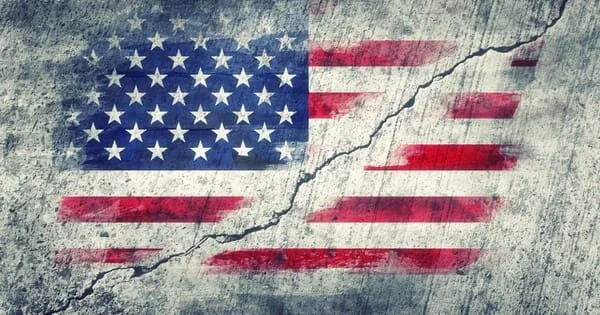
The previous post dealt with how sometimes stimulus investments can actually further divide a country instead of utilizing a crisis to unite it. And as we noted in that post, when devious or self-serving political designs constitute the motive for such actions, it’s inevitable that such investments will create winners and losers. How can it be otherwise, when Republican secretly stash away amendments in a $2 trillion coronavirus fund that would see more than 80% of the advantages go to millionaires and billionaires, while average working-class citizens only get 3%? It’s abhorrent just to think about.
But it’s happening. Those with security and wealth will position themselves to gain advantages over everyone else. It isn’t personal, just business they say.
The present crisis should prompt us to give pause over what things were like before the virus emerged. Those vulnerable now were vulnerable then. Yes, there were the poor, the homeless, those struggling by on minimum wage. But there were always small businesses, even some medium-sized ones, that were only a few thousand dollars away from insolvency. They were no match for the monopolies then and they are just as vulnerable today. If they survive, it won’t through the good graces of corporatism but by the exercise of government utilizing public funds to help them endure.
But the new Republican amendments, just as with the Great Recession, will grant public largess to private corporations, while leaving paltry investments in those businesses that require it most and who will experience the greatest difficulty surviving this crisis.
Just consider what Covid-19 has energized in America. Suggestions to merely let the elderly die for the sake of opening the economy. Racist comments against the Chinese, Asians, Muslims, Africans – anyone perceived to be an outsider coming to the United States and perhaps carrying the virus.
Take Chicago just as one example. One-third of the city of almost 3 million people is black, yet two-thirds of the victims of Covid-19 are African Americans. There’s a telling division in such numbers.
The poor are forced to gather together in shelters or in hovels on the street – the command to keep a social distance hugely impractical in cases where hundreds of thousands have no place to isolate themselves or retreat into safety. One study of this past week’s coronavirus fatalities discovered that the top three contributing factors are poverty, lack of education and racial segregation – groups that existed prior to the pandemic but which are now highly vulnerable to the virus. People with health problems are clearly in danger, but they were part of a health system that hardly assisted them in the past. Many couldn’t even get adequate access to procedures or even testing only a few months ago. Now they are in prime danger in America.
None of this really surprises us; it is as we would expect. People in vulnerable conditions will be in even more danger now. So, when the U.S. government rolls out a stimulus package, of which only a small percentage goes to the middle-class and even less to the vulnerable, it will be inevitable that the country’s divisions across the board will become more severe. While leaders tout that we need to come together in spirit during this crisis, the result is just the opposite. And it will become worse as forceful demonstrations exacerbated by the pandemic become more apparent.
What about Canada? The greater integration of our social welfare with our economy has greatly reduced the harsher realities of the pandemic. For obvious reasons, my wife and I have been following developments south of the border, as line-ups miles long pressure America’s food banks to the breaking point. In San Antonio, Texas, the food bank is attempting to cope with 60,000 people a month and a large parking lot jam full of cars as people wait for assistance. Their Canadian counterparts, while dealing with unprecedented challenges, have nevertheless benefited from social programs more generous than those in the United States. And while most governments around the world are offering stimulus programs of one fashion or another, the Canadian rollout has been spread more thoroughly throughout the country than our neighbour to the south.
Should the crisis prevail for another year, however, the differences and distinctions in this country will begin to heat up. Hanging together will prove more difficult than in these early days of the pandemic. Mild acts of social disobedience to health department directives will become more abrasive and pronounced.
This is what Covid-19 does, and will continue to do. While playing no favourites, it will nevertheless wreak its fatal havoc anywhere that conditions are conducive to its spread – locations where our most vulnerable are also our most exposed. It will seek to rip our most marginalized away from us, stripping our citizenry of valued peers. And in perhaps our most vulnerable regions – indigenous communities – it will lay bare the historic divisions that have kept Canada’s First Nations from enjoying their equal portion of this nation’s bounty.
This is just what the coronavirus does to us: exposes our divisions at the same time as it unites us in fear. Given time, it could break us, shredding our social solidarity in the midst of economic turmoil and privation. That would inevitably happen if our government sought to support only the affluent and corporate interests in this time of national crisis.
Or maybe the opposite will happen. Maybe this shared challenge will lead Canada to a new level of shared consciousness – a place where we start behaving differently. Perhaps our suddenly endangered mortality will prompt us to vote for governments that will buffer up and invest in our healthcare systems, instead of merely maintaining them in a diminished state. Maybe we will wish never again to expose our poor unequally to the harsher realities of the modern era and provide a standard of living secure for all and not just some.
Or maybe we won’t. Time will tell. But this crisis has given us a once-in-a-lifetime opportunity to recalibrate, to share equal justice, and defeat our current invisible foe through a shared will as opposed to becoming its victims by our lack of solidarity. This moment is ours to shape.