
A Mixed Recipe - Corona Virus and Food Banks
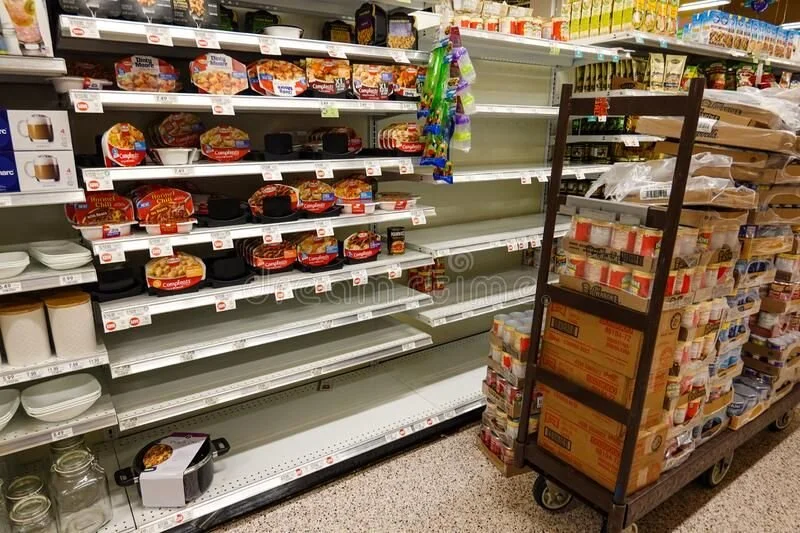
Everything is so different – nothing is normal. This is the time of year food banks across the country would be gearing up for their large food drives. But with the Coronavirus, uncertainty is everywhere. Decisions have to be made in something of a vacuum – no one is sure of what comes next.
The London Food Bank decided yesterday that they will cancel the physical contact component of the food drive and develop a new kind of creative effort instead. We don’t know how it will all work yet, but we are well on our way to offering new and effective ways for community compassion to effectively transcend our understandable collective insecurity.
What else could we do? With hundreds of volunteers – collecting, sorting, distributing – a dedicated staff, and assisting over 3400 families a month on the food bank premises, there is much to organize, sanitize, research and monitor in a time of a pandemic. Safety can’t be compromised, but neither can compassion be sacrificed. It’s all about how to manage food security in a season that threatens physical security.
The London Food Bank has been in dialogue with the Middlesex-London Health Unit on an ongoing basis during this crisis. We cooperate regularly with the unit and one of their staff has been on our board for years. The advantages of that kind of connection are obvious. As the community turns to them for guidance and steps ahead, so does the food bank.
But there are multiple indications that food banks themselves across the country, and around the world, are already feeling the effects of the pandemic. Many have had to close for lack of food, as people head to grocery stores to build up supplies for an uncertain future. The problem is, of course, that people of low-income have no way of doing that. People and families already vulnerable to food insecurity could soon be at far greater risk of a lack of supplies in the coming weeks and months.
Other food banks across the country are watching as donations in grocery store bins decrease and regular donors begin stocking up for their own families. As volunteers use caution and stay at home, food bank staffs become overworked and feel vulnerable. And increasingly at risk are those marginalized families who don’t have $30 of savings to get through this crisis, let alone $300.
Most food banks like ours aren’t government funded and fully depend on their respective communities to carry out their operations. When people donate cash, food banks are able to purchase food in large quantities and acquire wholesale rates, negotiate with distributers, and are able to nutritionally balance distributed food. Canadian food banks are skilled enough in this area that they can purchase two complete meals for a hungry neighbour for every $1 donated.
One of the most effective and compassionate ways we can help our communities throughout this crisis is to makes sure no one goes without food. The less vulnerable families eat, the more susceptible they are to disease. Perhaps now more than ever, with grocery stores and food banks being depleted, we must find new and creative ways of getting good food to those who need it. Food banks across the country are constantly deliberating together to establish innovative methods to source, collect and distribute secure and healthy healthy foodstuffs.
Time and again over the past years, food banks – aided by a generous public who have donated time, food and money – have stepped up to protect people on the lowest incomes in our communities. But this present challenge is unprecedented. Consequently, it must bring out the best in us if we are to overcome it. Every decision we now make as citizens will be in the context of protecting ourselves and our family. Yet we also must find new channels for increased generosity in the communities we also cherish, and those vulnerable families facing precarious days ahead. This is when we will show just how effective we are at living, giving, and, yes, surviving together. As the great Canadian writer, Robertson Davies, put it:
“Extraordinary people survive under the most terrible circumstances and they become more extraordinary because of it.”