
That Troublesome "F" Word
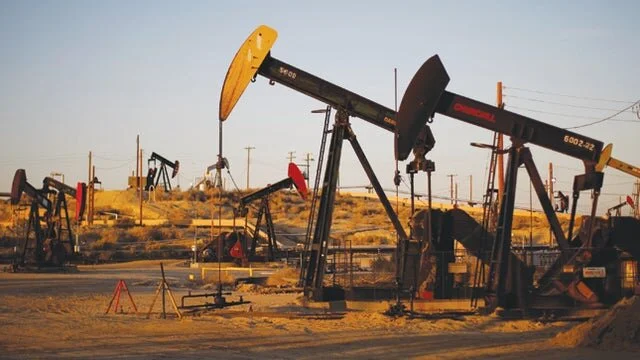
It was the 1970s and America felt like it was on the ropes. In fact, most Americans felt they were a nation in serious decline, especially since it was about to run out of oil. The precarious situations regarding global oil supplies, specifically from the Middle East, left the United States in an uncomfortably vulnerable position.
Yet they were being told they still had plenty of oil domestically; it was just that they couldn’t get to it, since it was trapped within layers of shale rock. Intriguingly, the main bulk of the resource was right under Dallas and Fort Worth, Texas – the historic location of the country’s great boom years in oil production.
As successive American governments fulminated over how they were able to fall behind Japan in economic might, one business leader, George Mitchell, began experimenting with a practice that was about to enter the economic vocabulary in a big way: fracking. It took him two decades of experimentation, but in 1999 Mitchell perfected the practice, not of drilling downto reach the oil and gas supplies, but of drilling sideways, between the layers.
These horizontal “wells” could run for miles. Mitchell’s novel use of blasting the shale deposits with water and chemicals produced the fissures that permitted the oil and gas to escape.
It was nothing short of revolutionary, permitting America to turn itself into the largest producers of oil and natural gas on the planet. It created an economic renaissance for the country and manufacturing was suddenly on the rise once more. Soon enough, the practice of fracking began occurring in numerous regions across the country. It didn’t take long until the practice emerged in the western provinces of Canada.
Most citizens of either country had no real idea of what had taken place, only that their economies suddenly seemed to be doing well again and that was all that mattered. They also didn’t realize that they were now on the precipice of an environmental nightmare.
Each fracking job uses up between 4-30 million litres of water and some 150,000 litres of chemicals. All that water is polluted and ruined permanently, leaks around the sites pollute the air and water nearby. And as one might expect, seismic activity increases in the respective areas. It became so worrisome that a number of states, and the provinces of Quebec, Newfoundland and Labrador, along with Nova Scotia and New Brunswick banned the practice.
But it has nevertheless expanded in other parts of America, making it now self-sufficient in petroleum supplies. And as one might expect, the presence of Donald Trump in the Oval Office has been a boon to fracking and a curse for the environment.
Economically, at least, there is one big problem for Canada. The sudden rise in fracking practices has meant that the United States now has little need for the oil produced from Canadian tar sands. American demand has declined by 30% and will only drop further in the coming years. Since Canada sends almost 100% of its tar sands production to the U.S., it’s clear that difficult years for the petroleum-led Canadian economy are inevitable until economic alternatives are put in place.
The tar sands regions, always an environmental hazard, have now become a wasteland. What was to be the economic future of our country is now in decline. Bur there are compensations. The boon years of tar sands production in the early-2000s had killed much off Canadian manufacturing in the rest of the country and saw communities gutted by the loss. It is now possible that manufacturing, or what is left of it in Canada, can make something of a comeback.
But the damage that has been done to the global environment through the practice of fracking is, in many ways, irrecoverable. The desire for governments and citizens for more cash drove much of the motivation for fracking and we all played a part in the environmental devastation that resulted. Fracking practices provided some short-term stimulus at the cost of environmental ruin. Fortunately, some provincial governments saw what was coming and stopped the practice. Legislation is important and only healthy governments can save us from such disaster.
The trouble is that right now most Canadians still don’t know what fracking is and what it’s ultimate costs will be to all of us. It is barely mentioned in the present federal election and is hardly a ballot box question. The danger of fracking is not yet over.