
What Wealth Once Meant
He was what every rugged capitalist dreamed of being near the end of the 19th century. Bold, with a great capacity for investing money, Andrew Carnegie had built a fortune in steel, railroads and bridges. With some other key industrialists, like J. P. Morgan, he helped build the city of Pittsburgh into a powerhouse. Everyone with money wanted to be like him and those without dreamed of living like him.
And then Carnegie wrote an article titled The Gospel of Wealth in 1889 and immediately put everyone with money on notice that they had a special duty. Just as the religious gospel required believers to adhere to its tenets and share the news, Carnegie reminded his peers that along with their great wealth came a responsibility to use it for the sake of others.
Andrew Carnegie wasn’t just spouting theory but based it on a life of sacrifice and example. One of the richest men in American history, he regarded all surplus wealth in his possession to be trust funds for the greater public good. He sincerely believed that the business mind was best suited to managing those funds, not for the wealthy but for the rest. Here’s how he put it in his article:
This, then, is held to be the duty of the man of Wealth: First, to set an example of modest, unostentatious living, shunning display or extravagance; to provide moderately for the legitimate wants of those dependent upon him; and after doing so to consider all surplus revenues which come to him simply as trust funds, which he is called upon to administer and strictly bound as a matter of duty to administer in the manner in which, in his judgment, is best calculated to produce the most beneficial results for the community. The man of wealth becomes merely the trustee and agent for his poorer brethren.
This last sentence is stunning and came from an influential person who practiced the personal gospel he preached. During the last 18 years of his life, Carnegie gave away $350 million to charities, foundations and universities. That was a full 90% of his fortune. He challenged other millionaires to do the same. He helped construct 3000 public libraries, invested heavily in world peace initiatives, education and scientific research. He assisted in building several universities and that great music venue named after him: Carnegie Hall.
Wealth to Carnegie was ultimately about influence and if it wasn’t used for the public good, then its purpose was wasted. He bemoaned the capitalist giants who complained about taxes yet left governments with little choice when it came to assisting the less-fortunate. And to some degree, the great industrialists followed a portion of his example. It was the age of burgeoning capitalism and there was an inherent burden placed upon those benefitting from it to take care of the societies they oversaw and from which they personally benefitted.
That’s not the capitalism of today, nor is it the corporate leader of the modern era. Over the course of the transformative years between 1965 and 1985, Western civilization moved from a more traditionally balanced outlook towards wealth, debt and accountability and to an all-out manic form of consumerism and wealth acquisition. This is significant, since an entire culture that had existed in a more or less stable economic pattern changed into something else entirely in only two decades
The entire globe was challenged by economic turbulence in the 1970s – oil embargoes, inflation, severe debt loads, corporate takeovers followed by bankruptcies, lending scandals. To rein all of that in, it was decided that the United States and Britain, Canada, too, to a lesser degree, had become too collective. The post-war era had been characterized by Franklin Roosevelt’s New Deal and the mighty Labour movement in Britain. These developments had created strict regulations on banking and business and saw to the rising power of workers and unions. Social programs were enhanced and an age of social experimentation was underway on both sides of the Atlantic.
Then he decision was made to begin the process of separating wealth from accountability to broader society in general. Soon enough they were pursuing a kind of global economic order that relished one free market around the world. It was to finally free the capitalist elite from the constraints of government regulations and it flourished so quickly that no one was able to bring it back under control once the excesses of the model began to emerge.
And then, in 1981, Margaret Thatcher said an amazing thing: “Economics are the method: The object is to change the soul.” And that is what happened, with hordes of money greasing the wheels. The leaders of the movement, including the political kind, facilitated this separation of wealth from people – a development that eventually paved the way for riches to be accumulated without labour, citizens or even local communities.
The great guru of capitalism, Adam Smith, warned about this very threat, as Carnegie himself did two centuries later. Now wealth is an increasingly isolated commodity, just like those who possess it. More troubling, unaccountable wealth is now permitted to influence governments to remarkable degrees, along with their trade policies, economic practice and social programs.
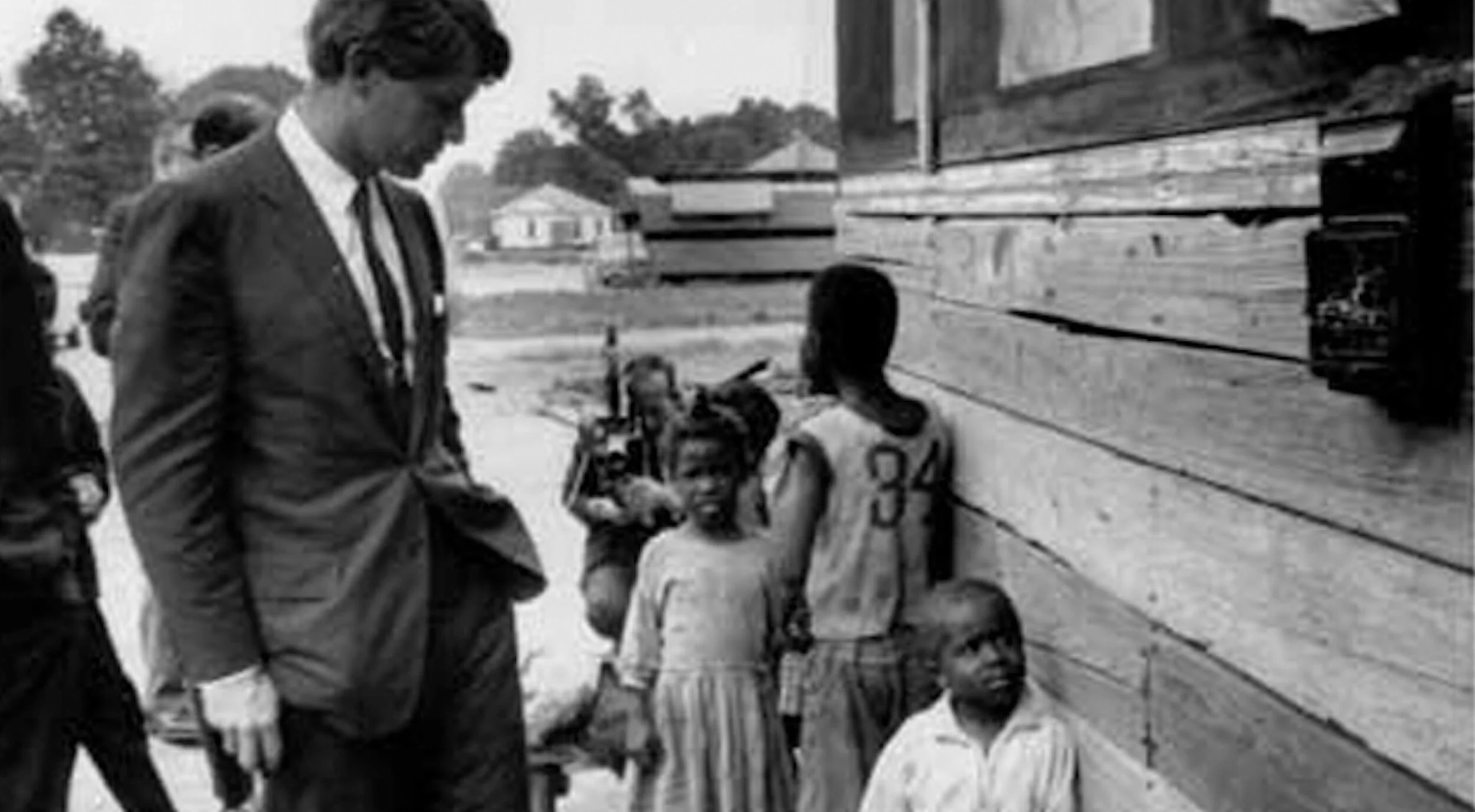
Robert Kennedy, too, warned about this. In his view, and the view of most leaders prior to the explosion of modern capitalism, government and the people were to serve as counterbalances to any age of over-the-top greed. In his words: “I believe that, as long as there is plenty, poverty is evil. Government belongs wherever evil needs an adversary and there are people in distress.” Those days are now gone and will only come back when we call and vote for them and responsible business leaders help to lead the movement.