
The Kitchen Sink
It was a connection likely to be made sooner rather than later. The title of the Guardian’s column was designed to capture attention: “Ending climate change requires the end of capitalism. Have we got the stomach for it?”
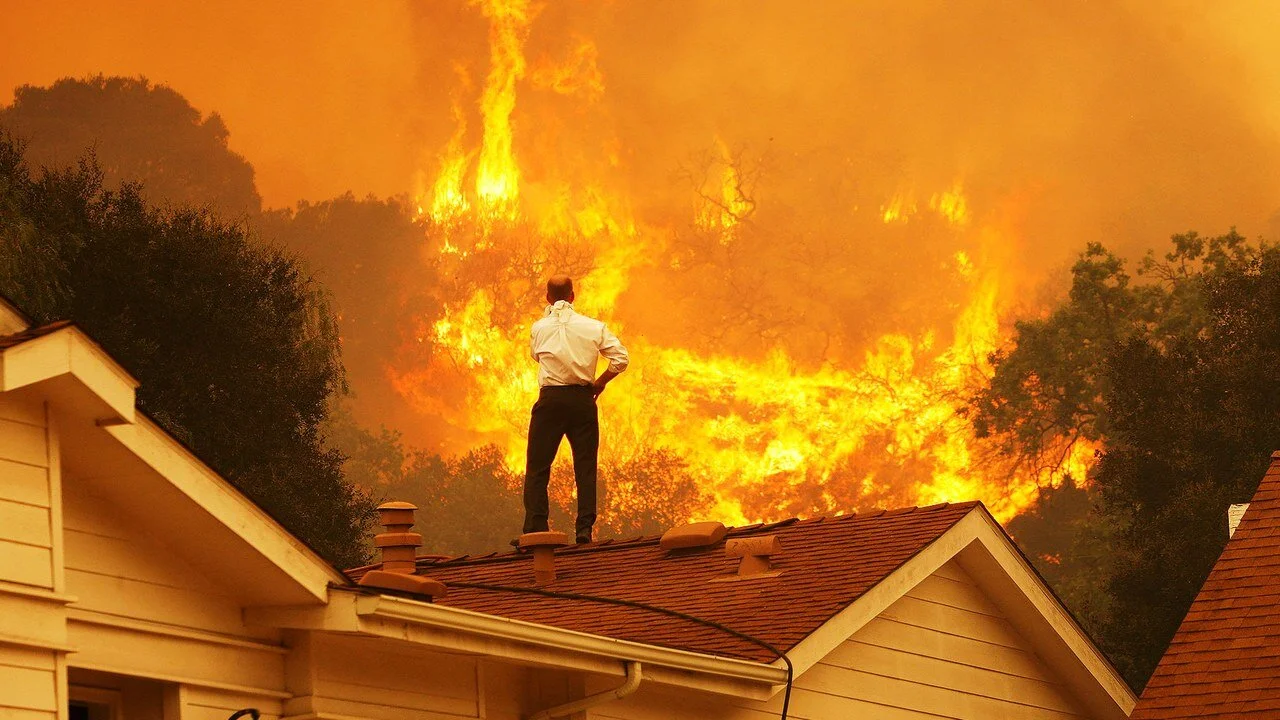
Written by economic policy advisor Phil McDuff, there was something remarkably timely about it. The violent weather conditions that continue to cross and devastate the landmass of America in this past year have more people talking about climate change who previously tried to ignore it. The picture of the sliver of beach left on Waikiki Beach in Hawaii, the flooding in Quebec, or the photos of dried up lake beds in Africa or Asia now seem more than mere scare tactics. Environmental deniers are running out of room and advocates are running out of time. We could be at the beginning of the convulsions that will urgently drive us towards climate change catastrophe.
We have talked about Bank of England Governor Mark Carnie before in these pages as a voice in the wilderness of capitalism gone mad. He raised the issue again last week, encouraging the financial sector to begin investing seriously in the problem of climate change. Putting in bluntly, he noted:
"As financial policymakers and prudential supervisors we cannot ignore the obvious physical risks before our eyes. Climate change is a global problem, which requires global solutions, in which the whole financial sector has a central role to play.”
The trouble is that the global economic sectors have proven largely deaf about such risks. The Guardian’sarticle went to the very reason for capitalism’s reticence, however, and is only one among many insightful pieces concerning how reining in capitalism itself might well prove impossible. And politics isn’t helping, looking increasingly at risk when it comes to taking on the challenge. Countries attempting to place carbon taxes on fossil fuels are finding themselves increasingly unpopular and the possibility of new governments ramping up fuel consumption out of sheer ideology and denial is real.
This statement from the Guardianpiece actually seems less likely than this time last year – “Right now we can, with a massive investment of effort by 2030, just about keep the warming level below 1.5C. This is bad but manageable territory.” It concludes by saying, “We will simply have to throw the kitchen sink at this.” Just how likely is that?
We are, however, beginning to understand the link between rampant consumerism, work and capital. If the owners and managers of that capital refuse to acknowledge their need to engage effectively, then the engine of environmental degradation goes on, only on an inclining scale of unpredictability.
The Guardianmakes some emergency suggestions that must run counter to the buccaneer kind of free market we have today and they make sense – basic income, large scale public works programs to prepare communities for flooding, power outages, etc., a more human view of unemployment, poverty and migration than we have at present.
The trouble is, naturally enough, those people that have done very well by the present system aren’t inclined to share. Will they change? Doubtful. The question then becomes: will the only powers capable of legislating the changes (governments) do so? That’s looking less likely as well.

Yes, we can blame financial elites and politicians for this 11th-hour scenario, but we must ask: who continues to buy their products and vote them into office. That is us. Who then can bring civil society together to force governments to act and the financial sector to implement reforms when we as citizens can’t find our centre, our ethical code, our shared willingness to protect our children from the massive constraints that are about to come? All our recycling, walking more and wasting less will never do the trick by themselves; all of these things we can do independently without cooperation with others. But the serious stuff – the public infrastructure, a carbon tax, a reformed financial sector, public transport, a politics that will have the courage to take the leadership – will take all of us. It’s difficult to imagine this happening.
Ultimately, our enemy has become our fellow citizens, as we are theirs. We respect one another’s points of view as long as we don’t encroach on one another, but it has left us totally unfit to find common ground in the climate change battle and bereft of the ability to come together. While the financial sector was busy shopping for wealth, our political parties “shopping for votes,”( to quote my friend Susan Delacourt), and citizens, well, just plain shopping, we forget that the ultimate cost of all those pursuits has become our loss of hegemony with one another. Where once we came together to fight the Axis forces or press for social and economic justice, we now fight one another, and our political and financial choices show just how divisive it has all become.
The Guardianpiece has thrown open wide the door regarding capitalism’s unsuitability for a more sustainable world, but at some point, if it were honest, it would have to provide some insightful pieces on how we enable a financial order that is remote and political order that is dysfunctional. How will we respond to such articles, when we are highlighted as part of the problem?