
Seeing Us in the Rearview Mirror
It’s always the same – each generation views the one preceding it as not quite with it, ill-informed and likely parochial. As we age, we notice the ones coming up behind us occasionally rolling their eyes, waiting impatiently for us to “get on” with whatever we’re doing, and giving knowing glances at one another at our ideas, habits of life and pace of our lives. It’s happened every generation since time began and that reality isn’t going anywhere soon.
But what will future generations say of us – the citizens, leaders, corporations and lawmakers that define this era in human history? Surely it won’t be good. How can it be? Talk about any of our great advancement and you’ll quickly find its shadow side undermining its progress.
Communications technology is even more fantastic than anyone thought it would be a mere two decades ago. We have more capacity in the smart phone in our hand than all the banks of computers used for the original moon landing in 1972. We can communicate instantly with anyone around the world almost instantly through social media, and yet far from the world getting smaller through such immediacy, it is actually getting more divided. We’re not coming together as everyone had predicted. It is the Age of Anger at it is ripping at the very fabric of our societies. It is in the process of destroying politics, our hegemony, and, above all, our ability to unite to take on our greatest challenges.
Travel has never been cheaper, but along with all those jaunts we have made over these last decades has been our destruction of the planet. The dependence on the automobile is greater than ever, despite the impressive advances made in public transport or alternative energies. In 2018, China had 235 million cars on its roads – far higher than any year previously. Technology and invention have given us ease, speed and comfort, but it hasn’t given us any more sense. Way more people are talking but nobody's listening.
These were supposed to be democracy’s “big” years. Following the fall of the Soviet Union in the 1990s, commentators and economists predicted the emergence of new world order, predicated on peace and affluence. Francis Fukuyama called it the “end of history.” Warren Buffet said the world was about to become our oyster. The UN said tyrants were “in retreat.” And economists said that poverty was about to be eradicated.
We know what happened. History has returned with a vengeance. Far from being an oyster, the globe is in turmoil. Tyrants seem everywhere. And poverty? Well, it’s now everywhere too.
We had the tools but the problem was never science, mechanics, algorithms or technology. It was us. We used these advances to consume, to divide, to fight, to vent and to revolt. When it was all over, we were the generation who will be viewed by future generations as having the most potential but who wasted it. True, we didn’t tolerate any world wars, but we turned civil war, either militarily or through technology, into civil wars. Yes, we saved some species that we cared about, but the UN Environment Program reminds us that 200 species go extinct every day.
This list could go on and on and we know it all by heart. That is the story of our generation. Somehow, we mistook anger for action, consumerism for citizenship, and partisanship for policy. We wrote our own narrative, even providing the chief characters for the story. We were the cast and crew, the entertainers and the entertained, the buyers and the sellers. And now we are stuck with that story, unable to extricate ourselves from the tale we constructed.
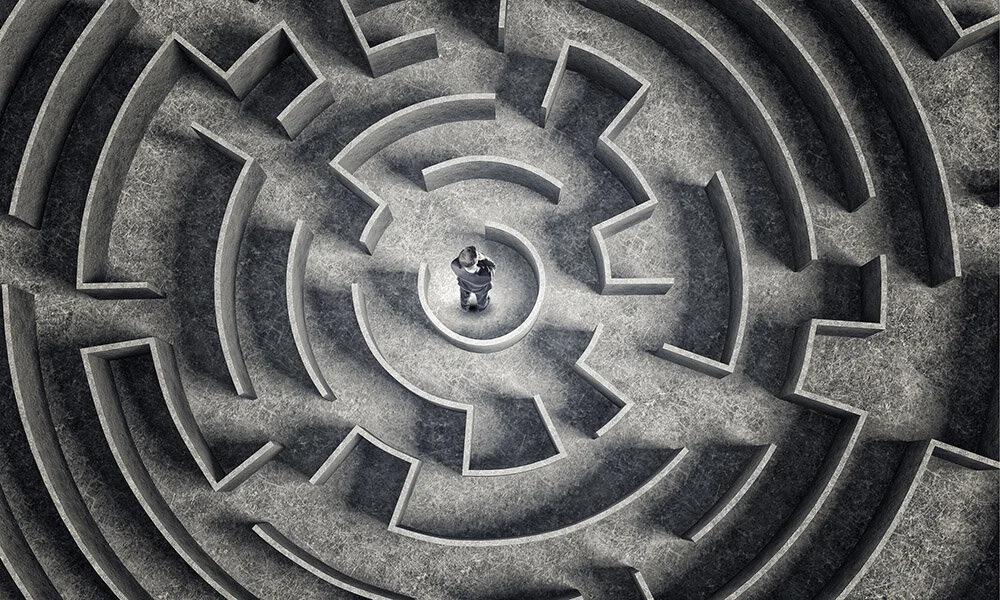
Those that follow, beginning with our own children, would be right to call us the mired generation. Despite having more money, technology, communication and possible aspiration that any era before us, we put ourselves – the smart, savvy, connected, affluent, cosmopolitan – in a box from which we can’t escape.
Of course, this doesn’t have to be the legacy we leave for the history books. We could show how we get it, how we know what to do and how to get there. But that would require such a collective change of course that shows no sign of happening. We have been more like adolescents than adults and we can’t blame the next generation for calling us out on it. The Baby Boomers blamed the World War Two generation. The Millennials blame the Boomers. Now the Millennials will be in the crosshairs. There’s enough blame to go around, but what there isn’t is the collective will to reverse it.
It could have been different; it canbe different. But it’s looking more and more like the story of our generation will go down as one of the darker chapters of history’s book on civilization.