
Cities - Our Future Battleground
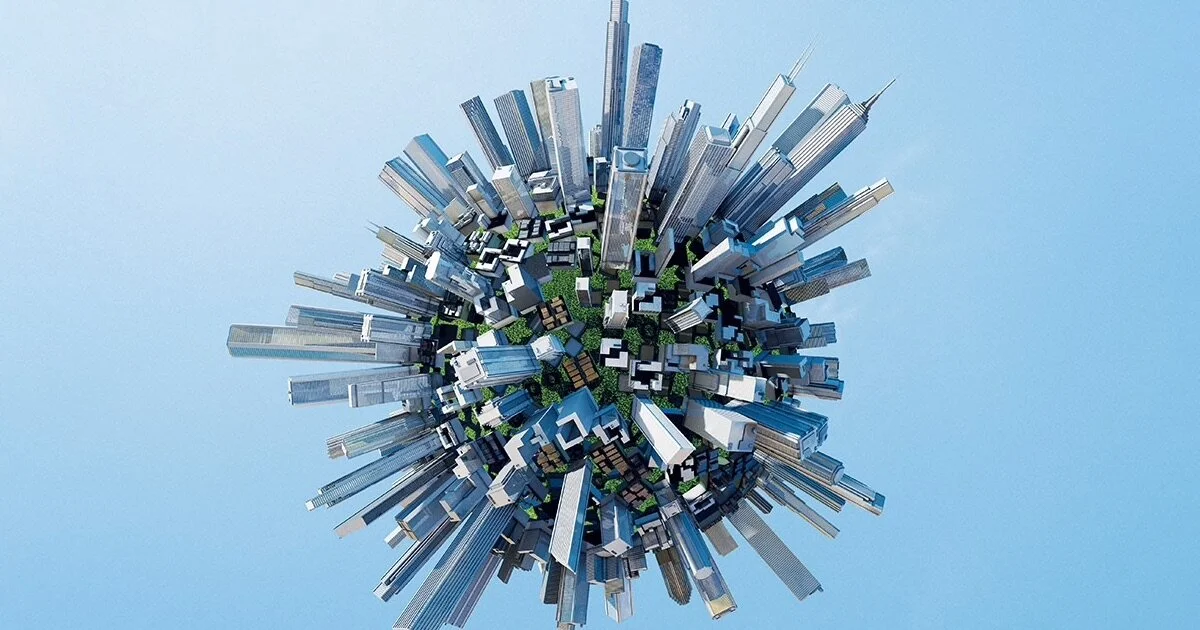
Whatever the future holds, the fate of humanity will be played out in our cities.Seem far-fetched? It shouldn’t. This much we know. In the next 100 years, the greatest migration to cities around the world will occur, with some 7-8 billion people becoming urbanites – more than exist on earth right now. Nothing in history matches this. Most of this vast movement will take place in developing nations, but the cities of the West won’t be able to escape the remarkable challenges and opportunities that come from this phenomenon.When you think about the greatest challenges facing us at present, they have been emerging mostly in our urban centers for a half a century or more. Climate change, poverty, wealth creation, jobs, unemployment, land use, health, gender equality, crime, political renewal – these key issues of our time have increasingly congregated in our cities and that’s a trend that can only be magnified in the coming years.Are we ready for it? Hardly. The infrastructure investments, wealth redistribution policies, transportation, waste disposal, and sustainable development resources required to hold the next century together are barely considered in future plans for our larger communities. And these investments will be huge, far outstripping any kind of tax structure or development planning in place at present. Futurists backed with compelling research on the hurdles we face, and will face, have been relegated to the back seats, while politics and temporary policies vie for our attention.And we’re not just talking about huge cities here. My own city of London, Ontario, remains embroiled in a decision whether or not to invest significantly in public transport. The “con” forces say we can’t afford it, while the “pro” element maintains we can’t afford not to. Such battles are occurring when overwhelming evidence points to those cities making such infrastructure investments are best prepared to generate more prosperous economies in the future. Research across the planet shows that those cities investing in clustering and efficiently moving populations across the urban landscape are those that are succeeding right now and will be better placed for the future. The reason we are still having these debates is because we aren’t considering the future implications for humanity and where it chooses to live. We are too lost in the present where fear lives and hope is defrayed.Cities are at the centre of most of our greatest decisions and the longer we tarry the farther behind we fall. Along the way we are discovering just how many myths we succumbed to. We are now watching as the wealth creators increasingly move into the core of cities, while those less advantaged make their way to the suburbs – once the Eden of the middle class. History is in the process of reversing itself. And what of our belief that if we can just generate more wealth in our cities that all of society will benefit? Research of the last decade reveals that those municipalities who have been most successful at generating prosperity have also seen a sharp increase in poverty and homelessness. Why? Because the generated wealth went to a few, leaving the rest of the civic population struggling with a declining standard of living. Our long-held belief that better economies will lead to benefits for everyone is now deeply frayed – and flawed. If the future is predicated upon cities generating huge wealth and huge poverty at the same time, then we will have wasted it by idling away the present. At present, the number of people living in destitute conditions in the world’s slums (almost all of which are in cities) is the same as the populations of both America and the European Union combined. This is unsustainable, meaning the cities can just as easily lead us to our ruin as to the promised land.This is all so huge, so complex, almost beyond comprehension. Nevertheless, it will be largely driven in our cities – right where the majority of citizens will live and where they can, through collaboration, alter not only their own fate but that of humanity itself. We presently worship the strong and wealthy, but as Leon Megginson would put it: “It is not the strongest or the most intelligent who will survive but those who can best manage change.” And if we are to adapt, it will be in our cities, where we live, that the fight for our collective future will ultimately be waged.