
Homes Without People
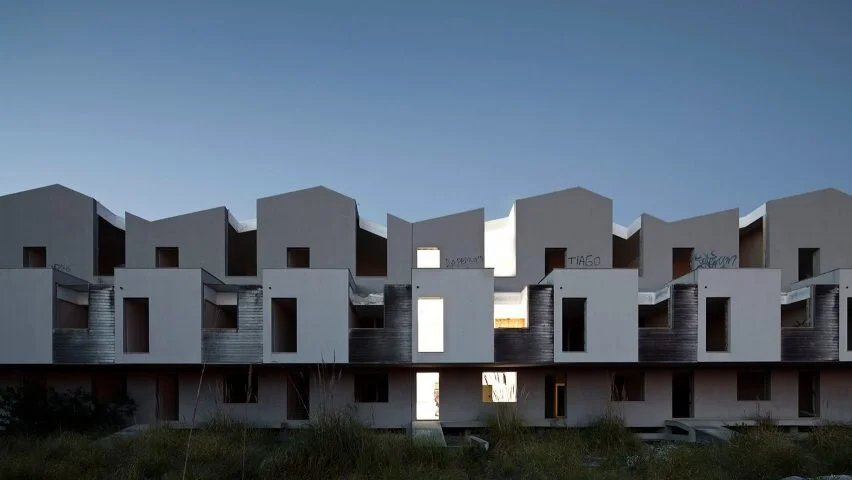
It’s a phenomenon few saw coming, but it’s beginning to turn our perspectives on modern cities on its head. The point of the spear seems to have begun in New York City – Manhattan specifically. The number of apartments in that region occupied by absentee owners and renters grew from 19,000 in 2000 to 34,000 by 2011 and has likely mushroomed since. That’s a jump of 70% in just a decade. One three-block stretch of the Upper East Side has a 57% vacancy rate for 10 months each year.It’s not just developers and owners excessively purchasing properties and holding on to them as they hold out for higher sales (we have lots of them in Canadian cities). According to Richard Florida in his newest study, the world’s wealthy now view premium properties in larger cities as many of us did with cottages or summer rental properties – premises to be occupied only a few weeks each year.But these are cities where increasingly the world’s population is heading. Two years ago (2016) some 55% of the world’s population lived in urban environments, and by 2030 that number will reach 60%. By that time, one in every three people will live in cities with at least half a million people.The problem is that these cities will be hollowed out by wealthy individuals and holding groups who will use many of our key central properties as temporary residences to be left empty except for those few weeks they are in town. It’s possible because of vast wealth. One-half of London, England’s, premiere residencies over £1 million now belong to elites who will reside there on average only a few weeks every year. Add to that cities like Toronto, Vancouver, New York, Paris, Singapore, Mumbai and Hong Kong and we can see a global trend developing that will eventually work it’s way down to smaller cities. Richard Florida, a part-time resident in Toronto, calls this development the “plutocratization” of our cities.This should leave us with a simple question: What are we doing? How can wealthy nations who possess enough resources to tackle some of our greatest social injustices permit this to transpire when increasing numbers of people don’t have a home at all - especially in cities where most homeless individuals are centred.. Consider another parallel trend that says something perhaps about our values.
- America’s homeless rate is 553,742, up for first time since the Great Recession
- Portugal’s is up 30% since 2008
- China has 2.41 million adults and 200,000 homeless children
- Rio de Janeiro's homeless rate is up 150% in 3 years
- In Britain the number stands at 300,000 people per year
- India has 1.77 million homeless individuals
- Russia, suffering from great political and economic dysfunction has a whopping rate of 5 million – 3.5% of population
And Canada? Well, that’s just the thing: we might have just turned a corner following years of neglect. Consider this infographic from the Canadian Conservatory on Homelessness. And now go to Homeless Hub.ca here and read of some of the progress being made in recent years. It’s not what it needs to be but is heading in the right direction. But then again, if at the same time as we permit our cities to have homes without people as we try to work on people without homes, we will inevitably end up being at cross purposes.“We have come dangerously close to accepting the homeless situation as a problem that we just can’t solve,” noted Linda Lingle. Perhaps that’s not written in stone in Canada, as all three levels of government, corporate leaders and civil society seek to turn the tide. But if we permit thousands of residences to lay dormant and unoccupied for most of the year, it will be inevitable that many will legitimately wonder where our priorities lay.